Tarrafal
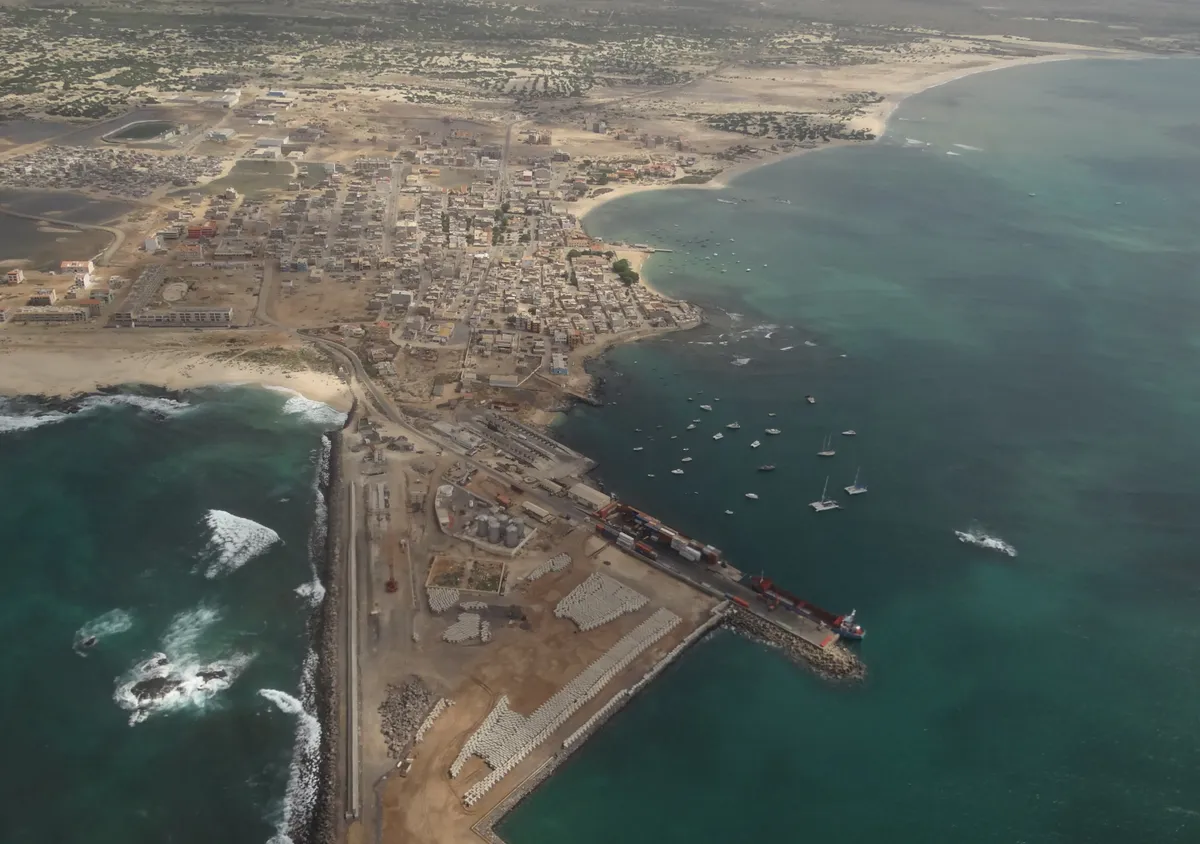
Tarrafal is a fishing town at the northern tip of Santiago: a sheltered sandy bay for swimming, a relaxed pace, and the former Portuguese prison camp that is now the Museum of Resistance.
Tarrafal
Tarrafal is a fishing town at the northern tip of Santiago: a sheltered sandy bay for swimming, a relaxed pace, and the former Portuguese prison camp that is now the Museum of Resistance.
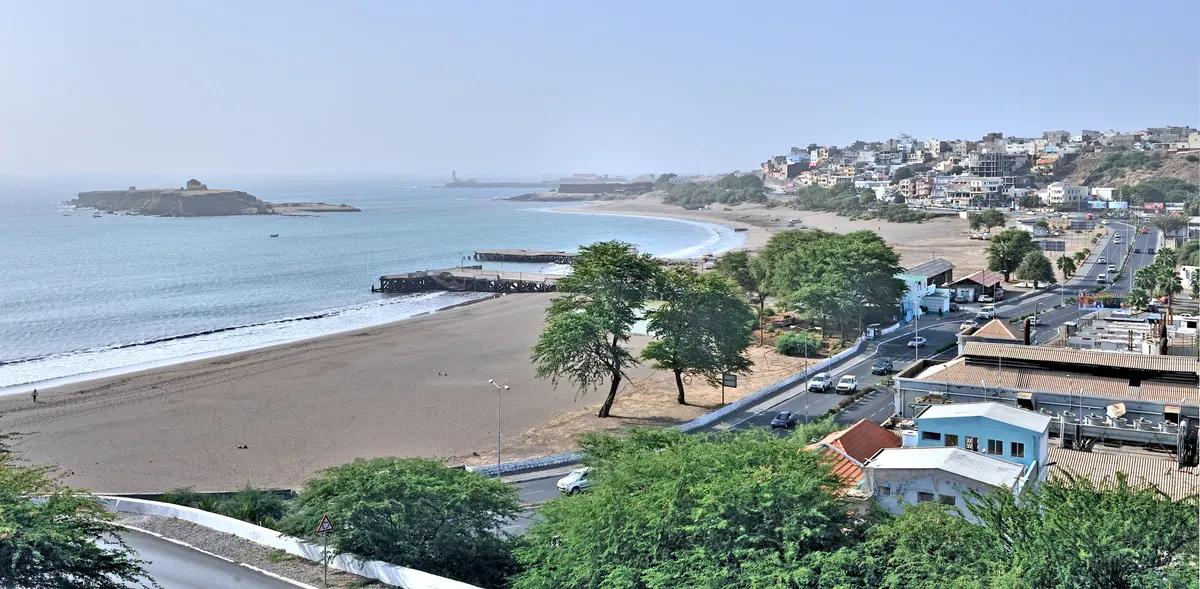
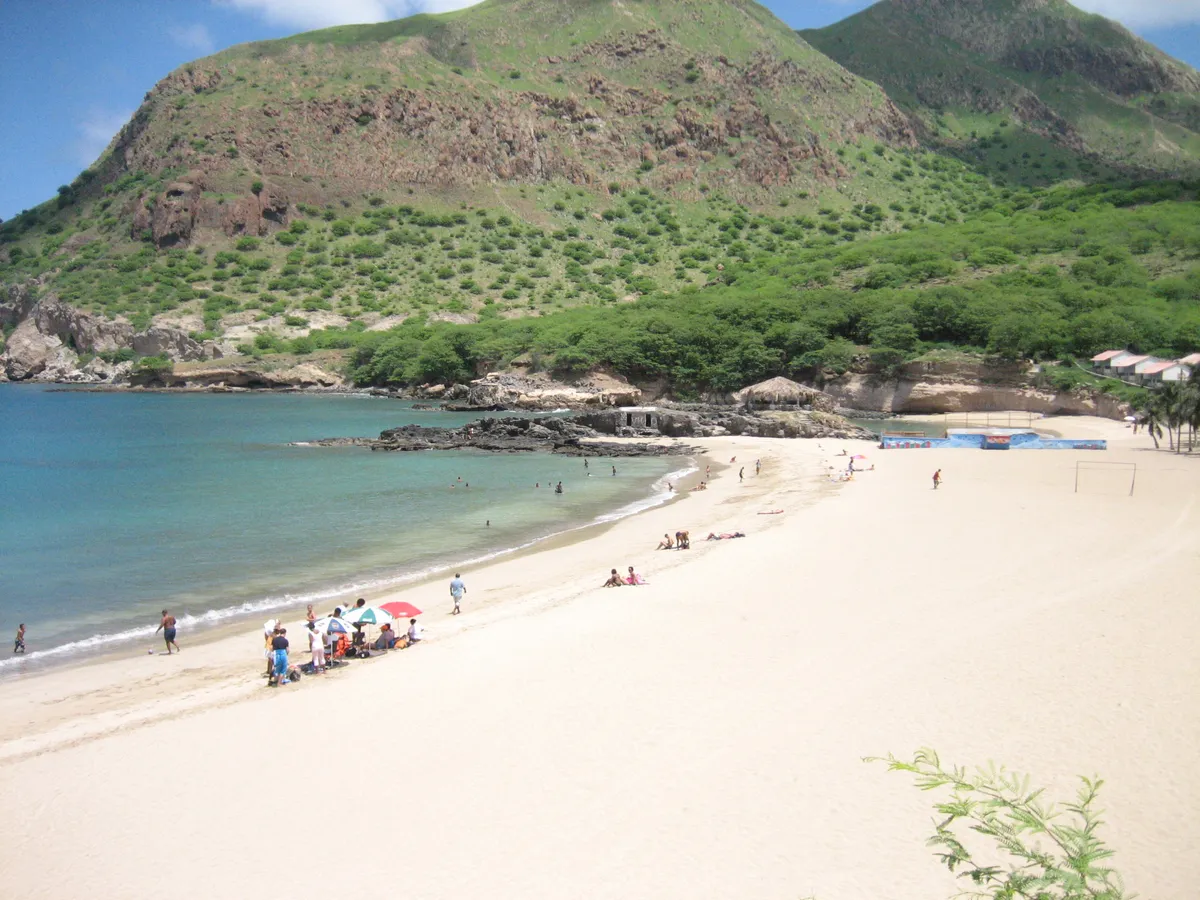
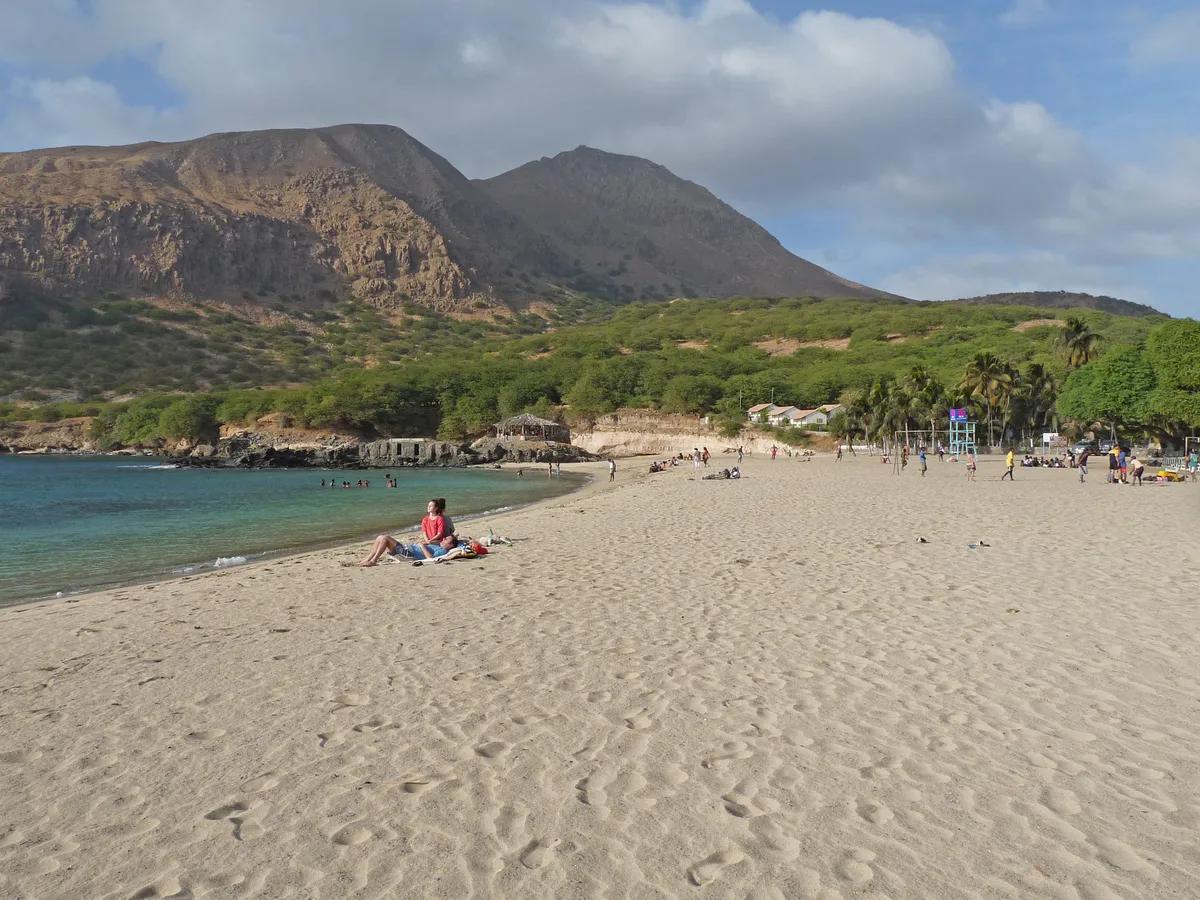
Tarrafal sits at the northern tip of Santiago, about 70 kilometres from Praia by the inland road. It is a small fishing town on a curved bay, with a sandy beach backed by trees, boats pulled up on the shore and a slower pace than the capital. For many travellers on Santiago it is the place to stop and swim for a day or two after the city and the mountains.
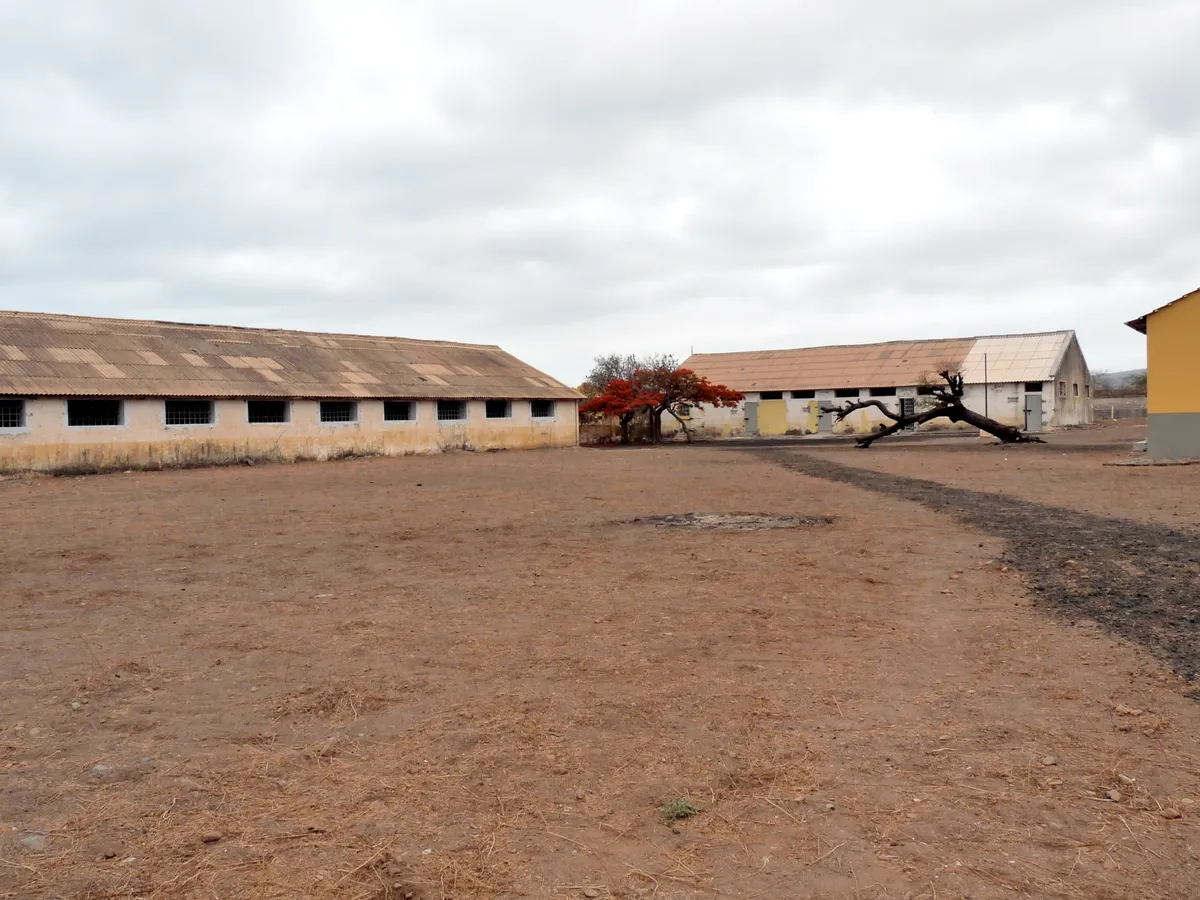
The town's name also belongs to darker history. Just outside it is the former Tarrafal camp, a Portuguese penal colony where opponents of the colonial regime were held. The site is now the Museum of Resistance, and it is one of the most important historical places in Cape Verde. Plan time for it: the cells and the information panels are sobering, and they explain much about the country's road to independence.
What to do in Tarrafal
- Swim at Tarrafal Beach, the sheltered bay in front of the town.
- Visit the Tarrafal camp museum just outside town.
- Book snorkelling or diving along the rocky coast either side of the bay.
- Stop on the drive north to hike in the Serra Malagueta Natural Park.
- Eat fresh fish in the small restaurants near the beach.
Getting here takes time. The drive from Praia crosses the mountainous centre of the island through Assomada, and the views of the interior are part of the trip. Ask locally about shared transport between Praia and Tarrafal; a rental car or taxi gives more freedom to stop in the Serra Malagueta on the way. The nearest international airport is Praia airport, on Santiago.
Tarrafal suits independent travellers, couples and anyone combining history with beach time. It is low-key, with guesthouses and small hotels rather than resorts. Keep the usual precautions: the UK government warns that tides and currents around the islands are very strong and advises using beaches with a lifeguard, and the Canadian government notes higher crime on Santiago, mainly around Praia.
Practical information
Photo gallery
Sandy bay at Tarrafal backed by green hills on Santiago island
Photo: Iwoelbern via Wikimedia Commons · Public domain
Top attractions
Beaches here
Tarrafal questions
What is the Tarrafal camp?
+
The Tarrafal camp was a Portuguese colonial penal camp where opponents of the regime were imprisoned. It now houses the Museum of Resistance and is one of the most significant historical sites in Cape Verde.
Is Tarrafal Beach good for swimming?
+
Tarrafal Beach is a curved, sheltered bay in front of the town and one of the most popular swimming beaches on Santiago. As everywhere in Cape Verde, the UK government advises swimming where a lifeguard is on duty and taking care with strong currents.
How long does it take to get to Tarrafal from Praia?
+
The inland road is about 70 kilometres and winds through the mountains via Assomada, so allow plenty of time. Ask locally about shared transport; a car lets you stop in the Serra Malagueta Natural Park on the way.
Where should I stay in Tarrafal?
+
Tarrafal has guesthouses and small hotels near the beach and in the town rather than large resorts. It suits independent travellers who want a quiet base for swimming and a visit to the camp museum.
Can you combine Tarrafal with hiking?
+
Yes. The Serra Malagueta Natural Park lies on the road between Praia and Tarrafal and has walking trails in the island's mountainous centre. Many travellers hike there on the way north and finish with a swim in Tarrafal.
Keep reading
Travel Guides
Helpful guides for planning your trip to Tarrafal
Keep exploring
Nearby Destinations
Explore more places near Tarrafal