Fogo
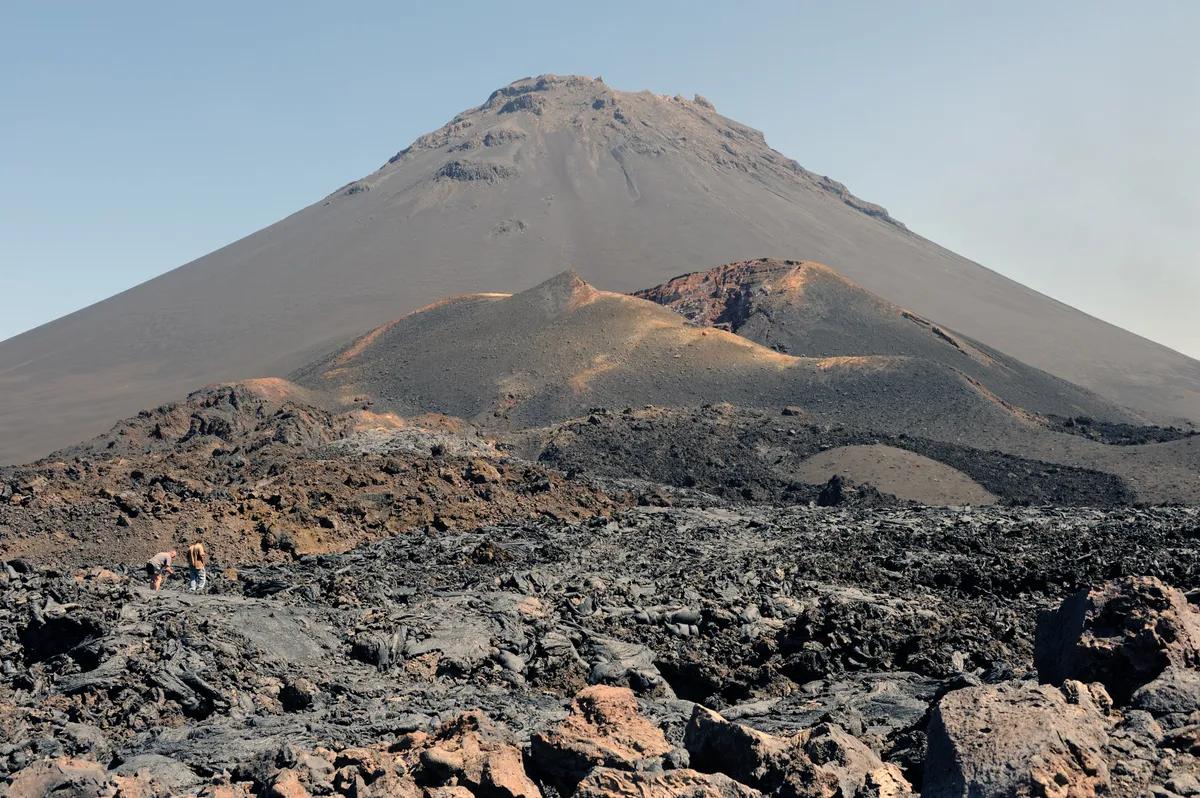
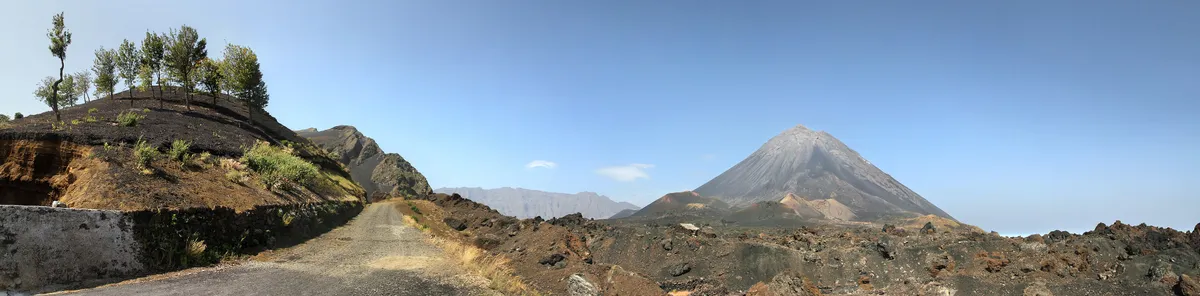
Fogo is Cape Verde's volcano island: the 2,829-metre Pico do Fogo, the lava-filled crater of Chã das Caldeiras, volcanic wine and the old town of São Filipe. Best for hikers.
Fogo
Fogo is Cape Verde's volcano island: the 2,829-metre Pico do Fogo, the lava-filled crater of Chã das Caldeiras, volcanic wine and the old town of São Filipe. Best for hikers.
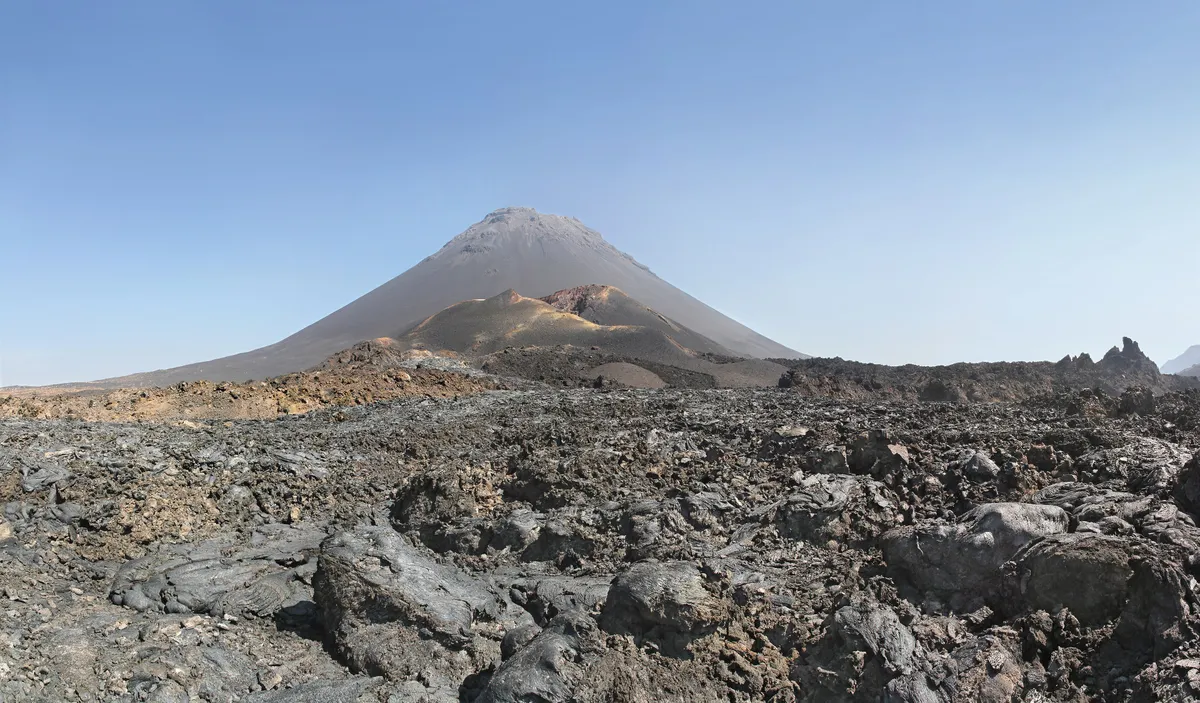
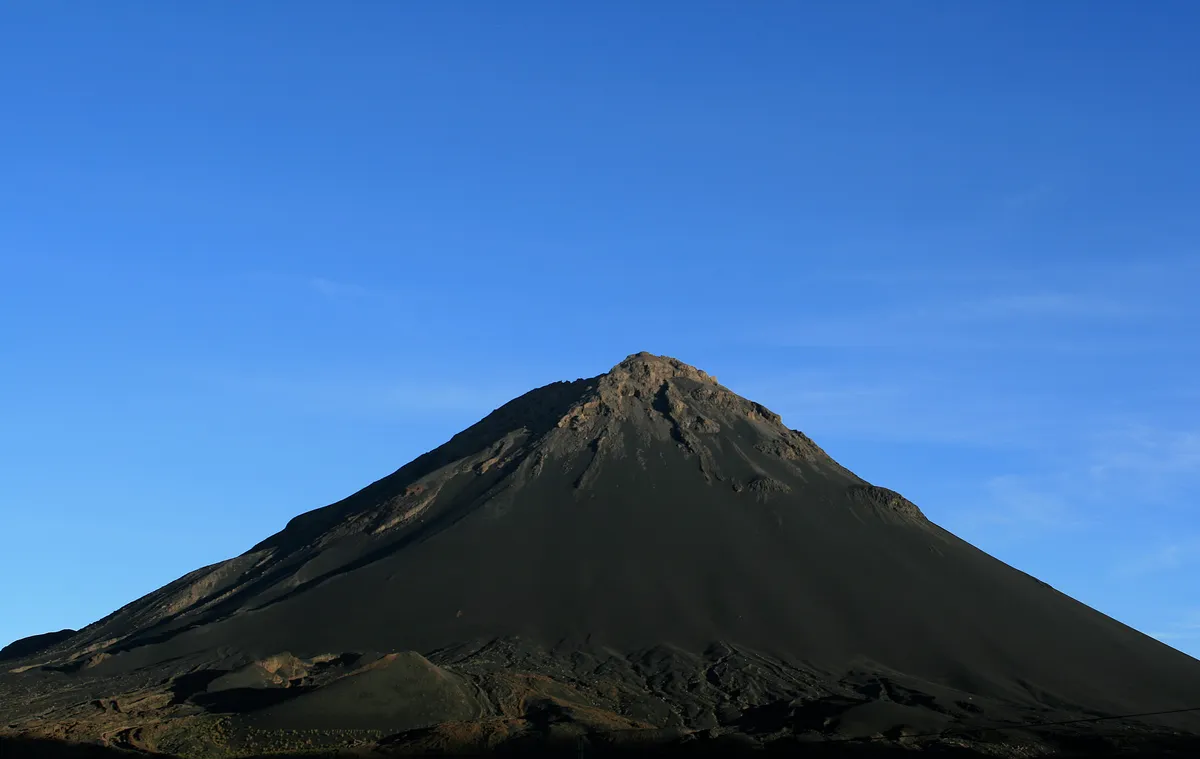
Fogo is a single volcano rising out of the Atlantic in the southwest of Cape Verde. The island covers about 476 square kilometres and has around 35,000 people, according to the tourism institute, and its summit, Pico do Fogo, stands at about 2,829 metres, the highest point in the country. The volcano is active: in 2014 lava swallowed villages and farmland in the crater, and the Canadian government notes that it remains at risk of future eruptions.
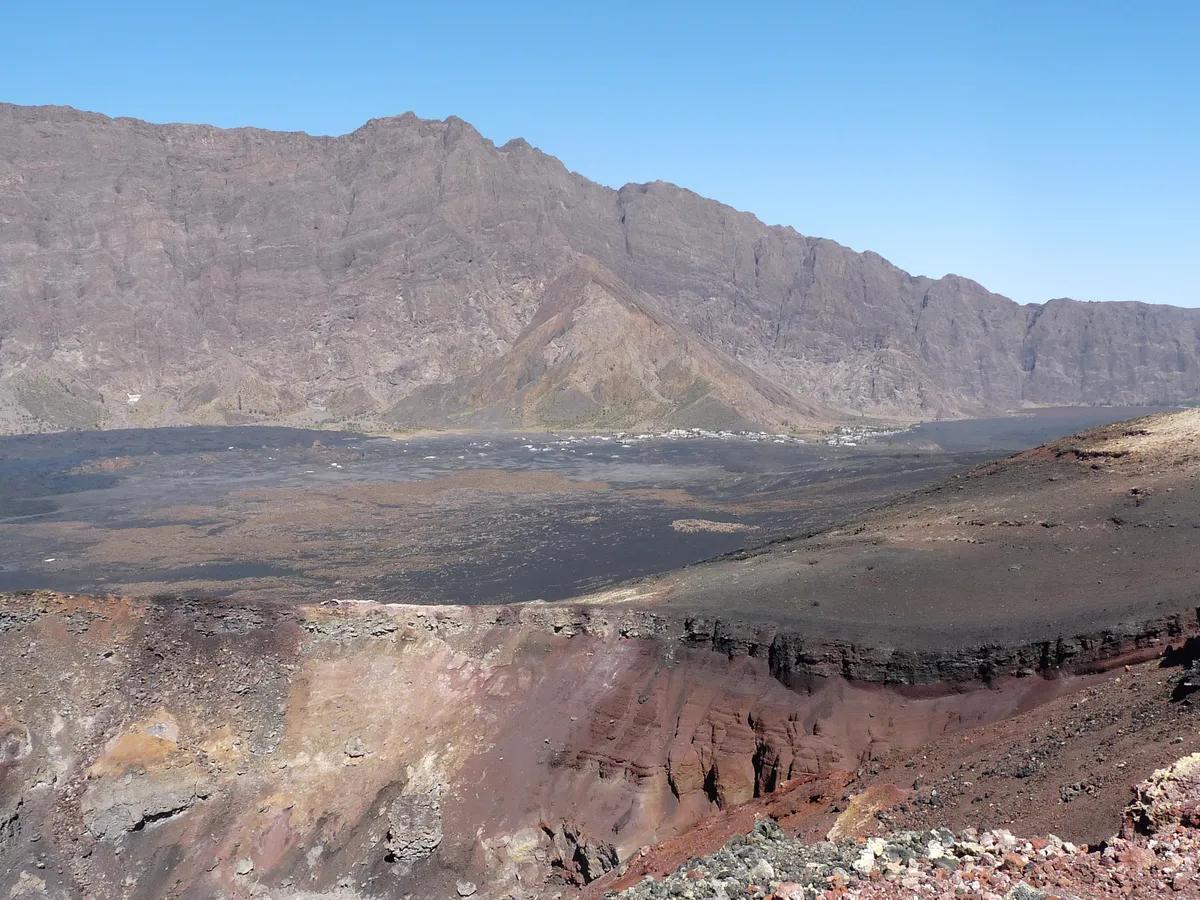
Inside the old crater lies Chã das Caldeiras, a high plain ringed by lava walls where people still farm vines and fruit in black volcanic soil. The area is protected as the Fogo Natural Park. The island's capital, São Filipe, sits on the west coast, and much of its architecture dates from the colonial period.
What to do on Fogo
- Climb Pico do Fogo with a local mountain guide; read our climbing guide first.
- Stay a night in Chã das Caldeiras to walk the crater floor at dawn.
- Taste Fogo wine, made as red, white and rosé from vines grown on volcanic soil.
- Walk the old streets of São Filipe and see the Bandeira de São Filipe festival around 1 May.
Practical notes
The tourism institute says the hike into the heart of the crater can take up to six hours and should be done with a local mountain guide. The summit climb is steep, loose and exposed, and only for fit walkers. Earth tremors are felt occasionally on Fogo and Brava, according to the UK government, which also reports that Cape Verde raised its dengue warning level on Santiago, Fogo and Brava. Follow local authority instructions on any volcanic activity.
Getting here takes planning. Fogo has a domestic aerodrome at São Filipe, and ferries sail from Praia on Santiago, but the UK government warns that sea travel to Fogo and Brava is often disrupted. Build in spare days and read our island-hopping guide. The Santiago and Fogo 7-day itinerary pairs the two islands.
Practical information
Photo gallery
Fogo
Photo: Cayambe via Wikimedia Commons · CC BY-SA 3.0 (https://creativecommons.org/licenses/by-sa/3.0)
Top attractions
Parks & nature
Fogo questions
Can you climb Pico do Fogo?
+
Yes, with a local mountain guide. Pico do Fogo stands at about 2,829 metres, the highest point in Cape Verde. The tourism institute says hikes into the crater area can take up to six hours and should be done with a local guide. The ascent is steep and loose, so it is for fit walkers only.
Is the Fogo volcano still active?
+
Yes. Lava destroyed villages and farmland in Chã das Caldeiras in 2014, and the Canadian government says the volcano is at risk of future eruptions. Follow the instructions of local authorities and monitor local media during your stay.
What is Chã das Caldeiras?
+
Chã das Caldeiras is the high volcanic plain inside Fogo's old crater, at the foot of Pico do Fogo, surrounded by walls of lava. People farm vines and fruit there, and it is the starting point for the summit climb.
How do you get to Fogo?
+
Fogo has a domestic aerodrome at São Filipe, and ferries sail from Praia on Santiago. The UK government warns that sea travel to Fogo and Brava is often disrupted, so leave spare days in your plans.
Does Fogo make wine?
+
Yes. The tourism institute says Fogo's grapes produce red, white and rosé wine, as well as liqueurs, from vines grown in volcanic soil.
Keep reading
Travel Guides
Helpful guides for planning your trip to Fogo
 Planning
Which Cape Verde Island Is Best? An Honest Island-by-Island Comparison
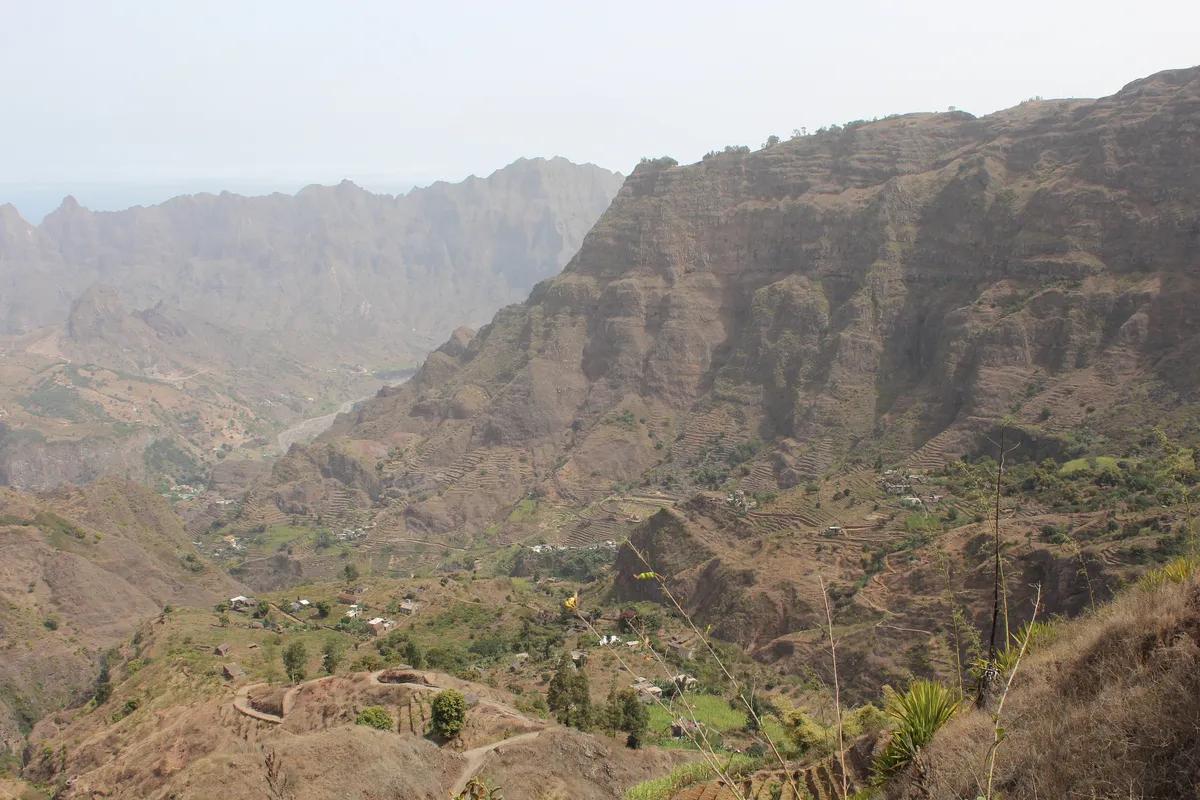
Sal and Boa Vista for beaches and easy flights, Santo Antão for hiking, São Vicente for music, Santiago for history, Fogo for the volcano: a fair comparison table and realistic combinations.
 Experiences
Things to Do in Cape Verde: The Best Experiences by Island
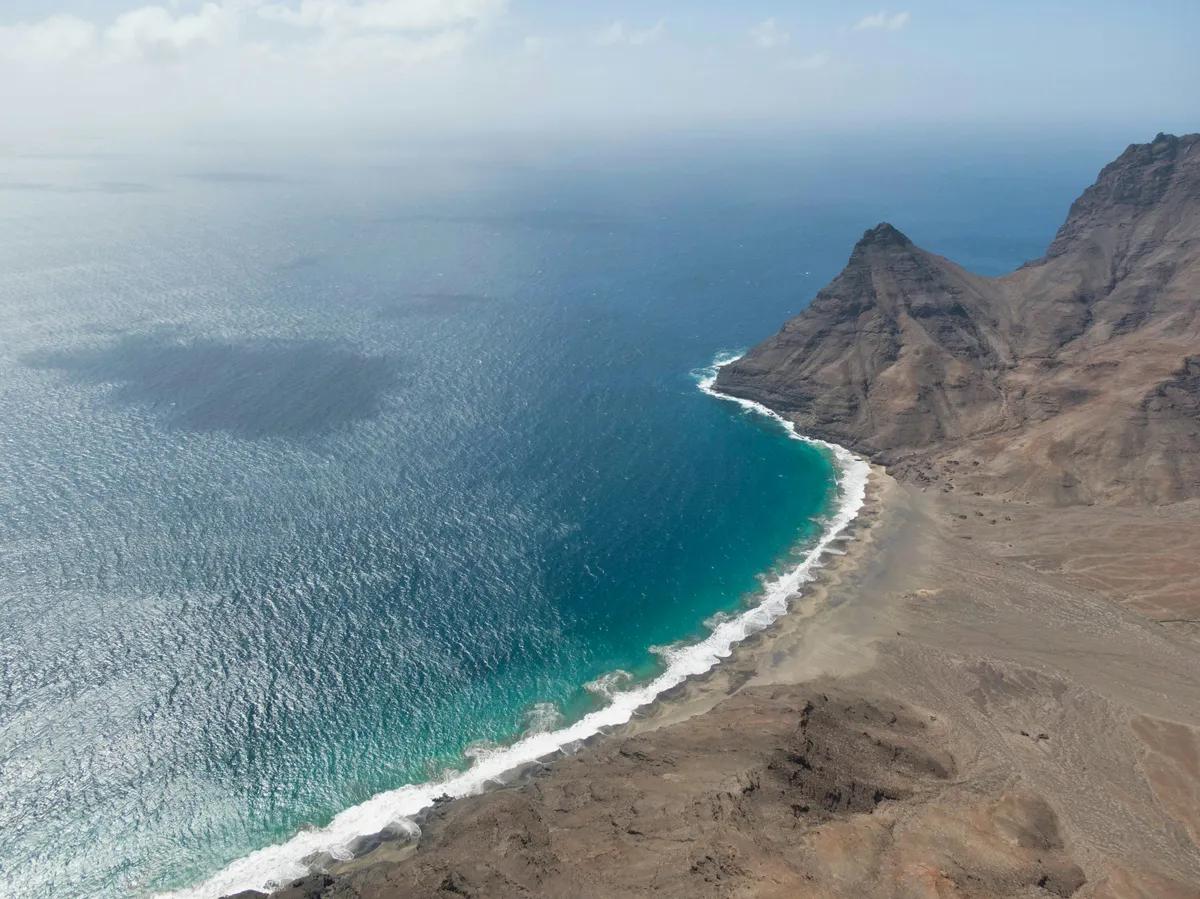
From kitesurfing on Sal and turtles on Boa Vista to Cidade Velha on Santiago, morna in Mindelo, Santo Antão trails and the climb up Pico do Fogo: what to do and which island it is on.
Keep exploring
Nearby Destinations
Explore more places near Fogo