Scuba Diving in Cape Verde
Volcanic caves, reefs and warm Atlantic water
Scuba Diving in Cape Verde
Dive warm Atlantic water off Sal and Boa Vista, from the shallow sandy bottom of Santa Maria Bay to the volcanic caves at Regona, with deeper reefs on other islands.
Diving in Cape Verde (Cabo Verde) is volcanic Atlantic diving: lava rock, caves, arches and reef fish rather than wide coral gardens. The national tourism board gives water temperatures of between 22°C and 28°C, visibility of up to 30 metres in good conditions, and more than 300 species of coastal fish, 23 of them endemic. Most holiday divers start on Sal, where dive boats leave from the bay at Santa Maria.
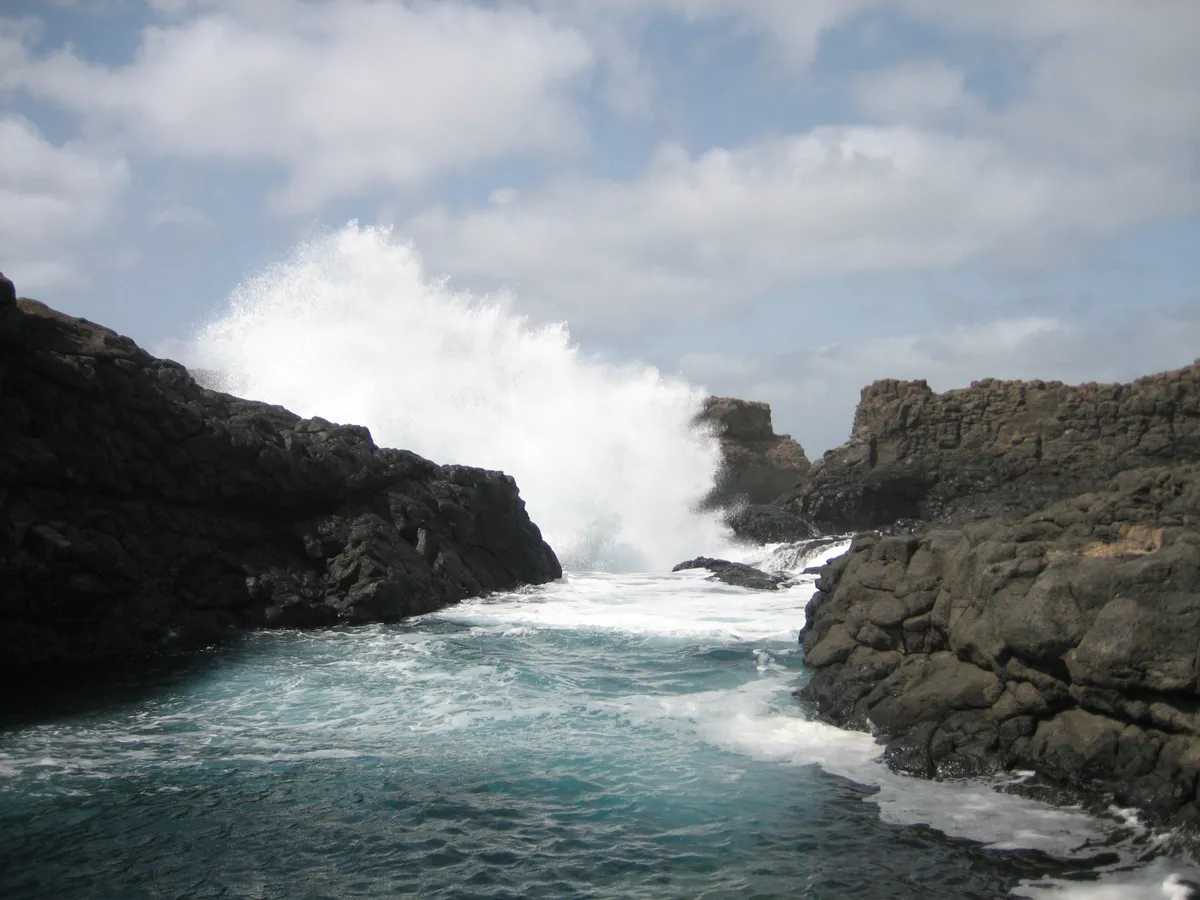
Santa Maria Bay itself has calm, shallow water that the tourism board recommends for recreational diving and first dives, with turtles and reef fish. For more experienced divers it points to the volcanic caves at Regona, and it lists Buracona on the north-west coast, home of the Blue Eye pool, as a diving area. Murdeira Bay, on the west coast, is Cabo Verde's only officially designated marine nature reserve according to Projeto Biodiversidade, the conservation organisation on Sal, which records more than 77 fish species there, including nurse sharks.
Beyond Sal
On Boa Vista, the tourism board lists diving from Sal Rei and names the islet in Sal Rei bay as one of the best spots to see rays. Further afield, it describes Santo Antão as a choice for experienced divers, with deep water and challenging underwater landscapes, and São Nicolau as having nearly untouched reefs at depths of up to 40 metres.
- Non-divers can see marine life on a snorkelling trip from the same bay.
- Watch lemon sharks from the shallows at Shark Bay on Sal.
- Humpback whales visit in late winter and spring, but swimming and diving with whales is banned; see whale watching.
Bring your certification card and logbook, tell the centre when you last dived, and plan your no-fly interval with the dive centre using DAN guidance for your dive profile; longer intervals further reduce risk. The Atlantic swell can close exposed sites, so keep a spare day in your plans.
What to know before you go
Plan this experience
The essentials for booking Scuba Diving in Cape Verde and getting there.
Frequently asked questions
Keep reading
Travel Guides
Helpful guides for planning your trip to Sal
 Planning
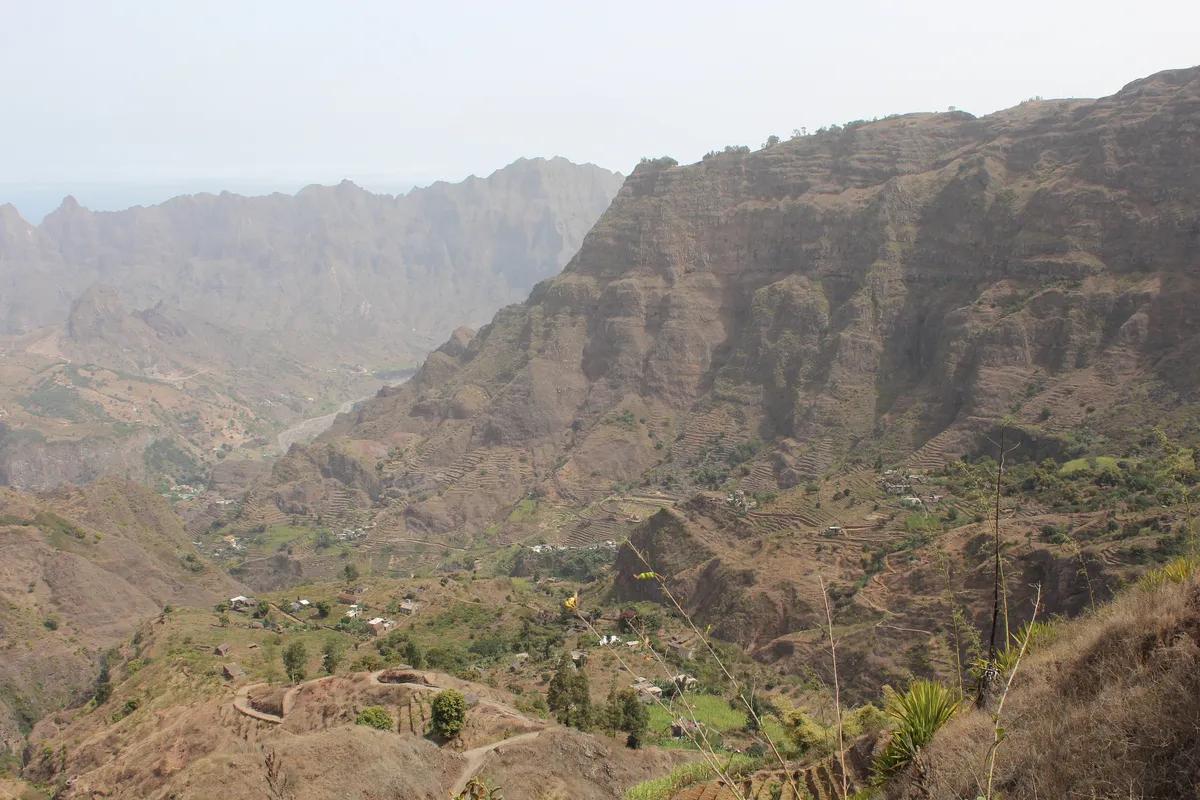
Which Cape Verde Island Is Best? An Honest Island-by-Island Comparison
Sal and Boa Vista for beaches and easy flights, Santo Antão for hiking, São Vicente for music, Santiago for history, Fogo for the volcano: a fair comparison table and realistic combinations.
 Experiences
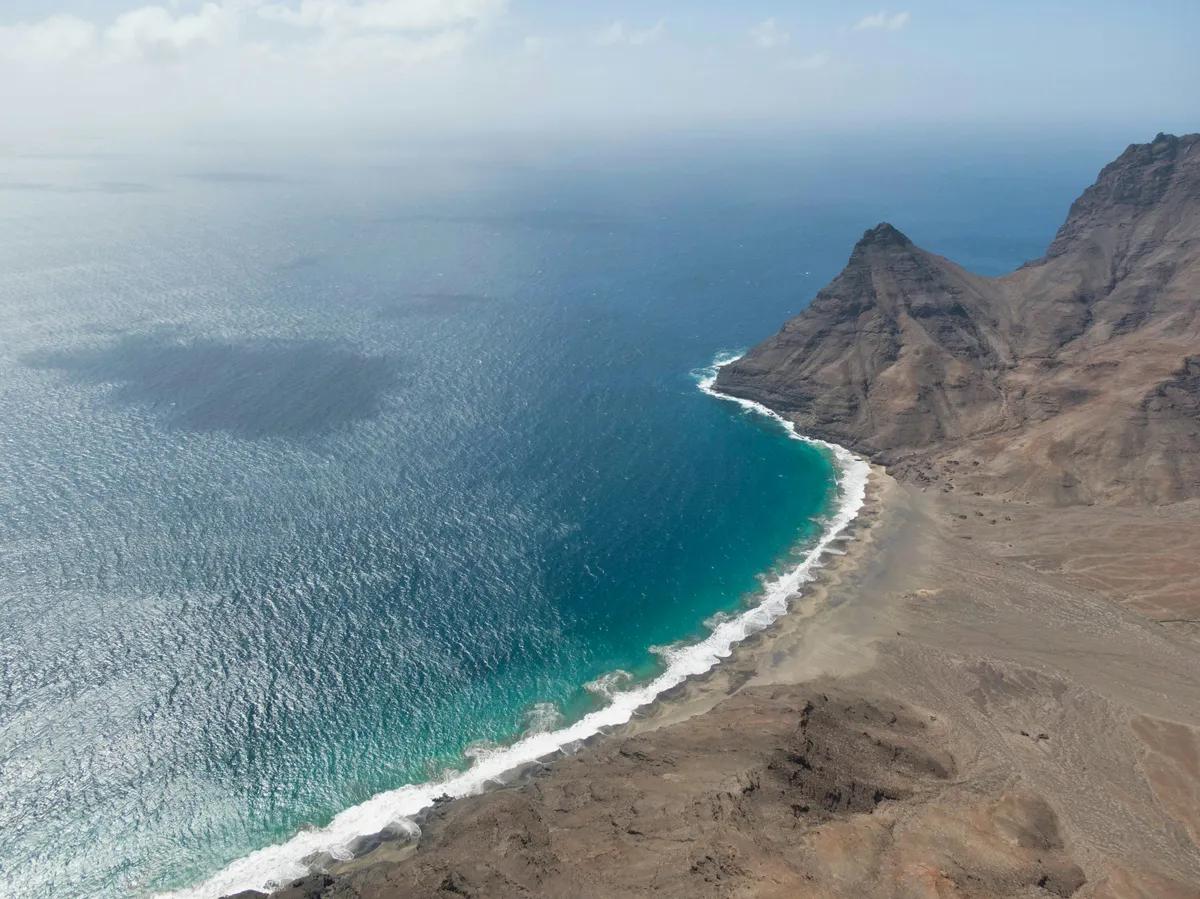
Things to Do in Cape Verde: The Best Experiences by Island
From kitesurfing on Sal and turtles on Boa Vista to Cidade Velha on Santiago, morna in Mindelo, Santo Antão trails and the climb up Pico do Fogo: what to do and which island it is on.
 Planning
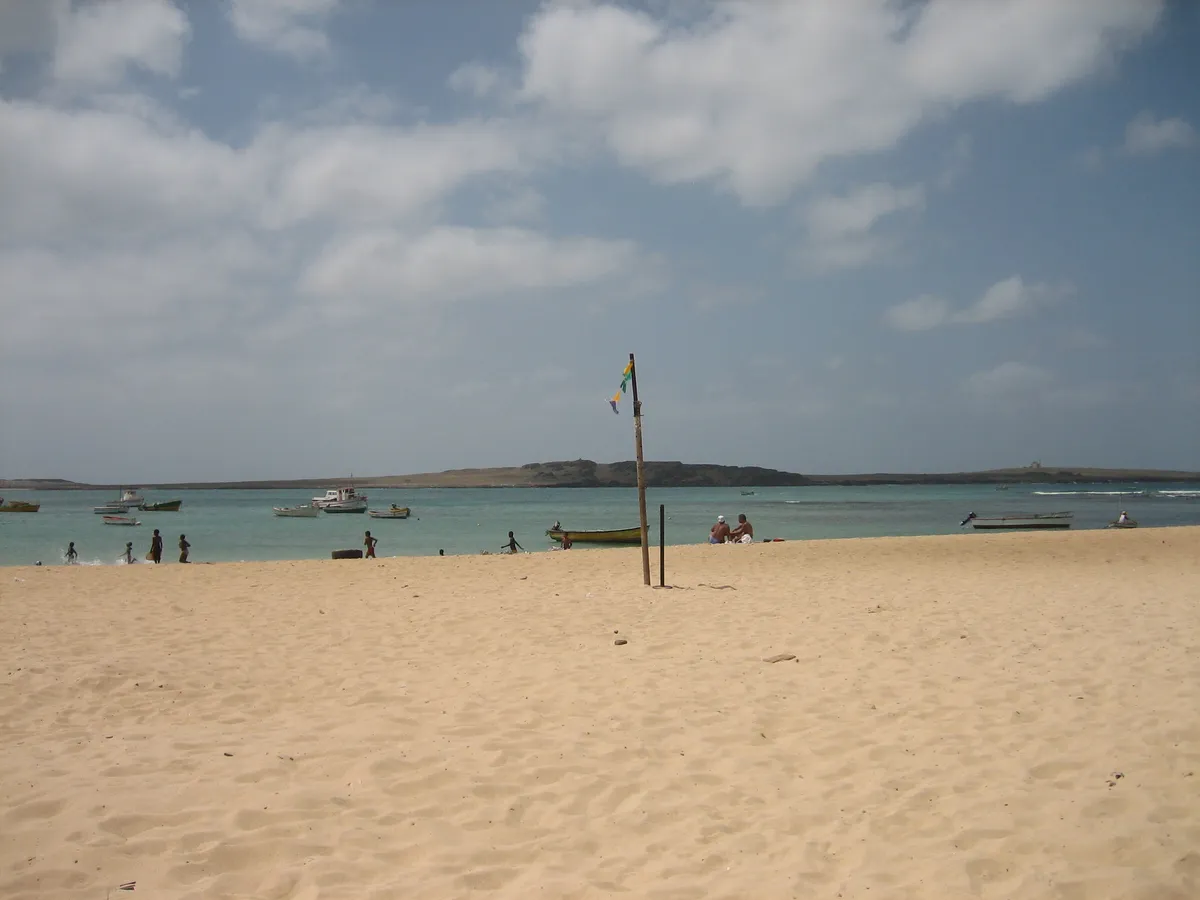
Sal or Boa Vista? Which Cape Verde Island to Choose
Sal suits walkers, kitesurfers and people who want a lively town; Boa Vista suits all-inclusive stays, empty beaches and whale season. Here is how they compare point by point.
More to Explore in Sal
Discover beaches, attractions, activities, and more in the same area
Similar activities and experiences
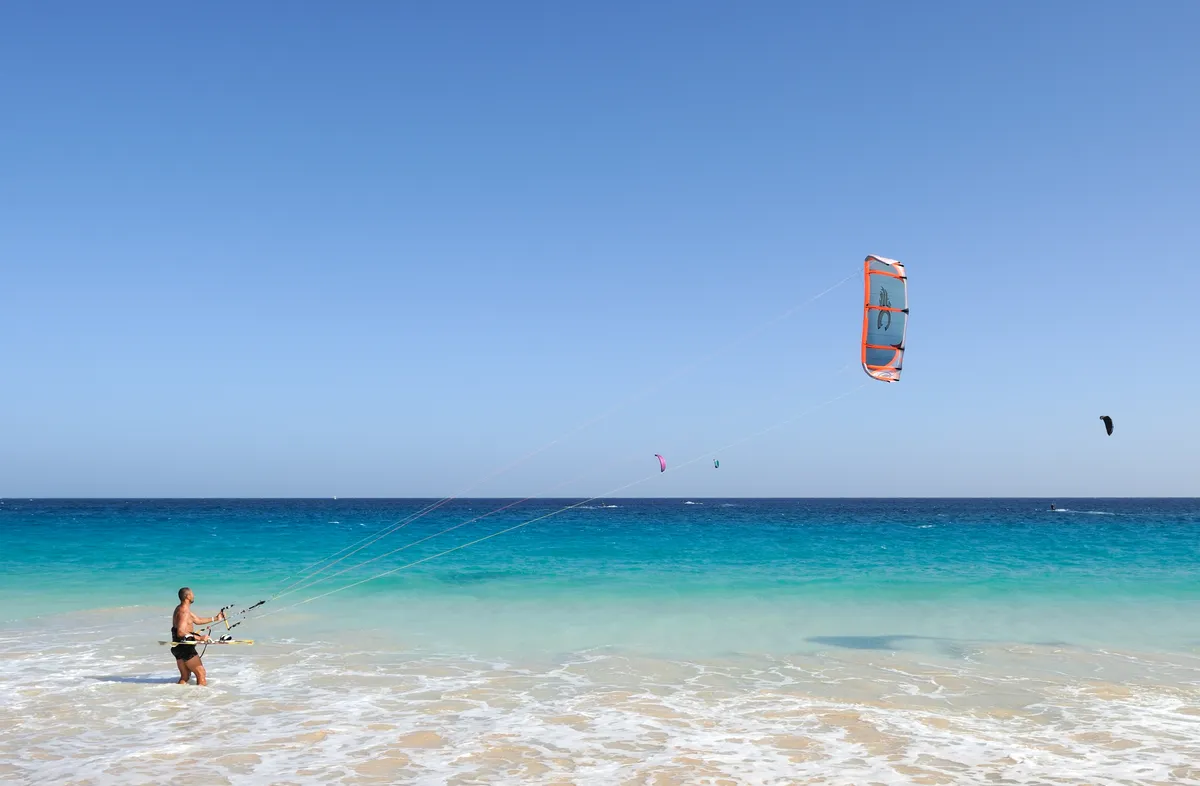
Kitesurfing in Cape Verde
Turtle Watching in Cape Verde
Snorkelling in Cape Verde
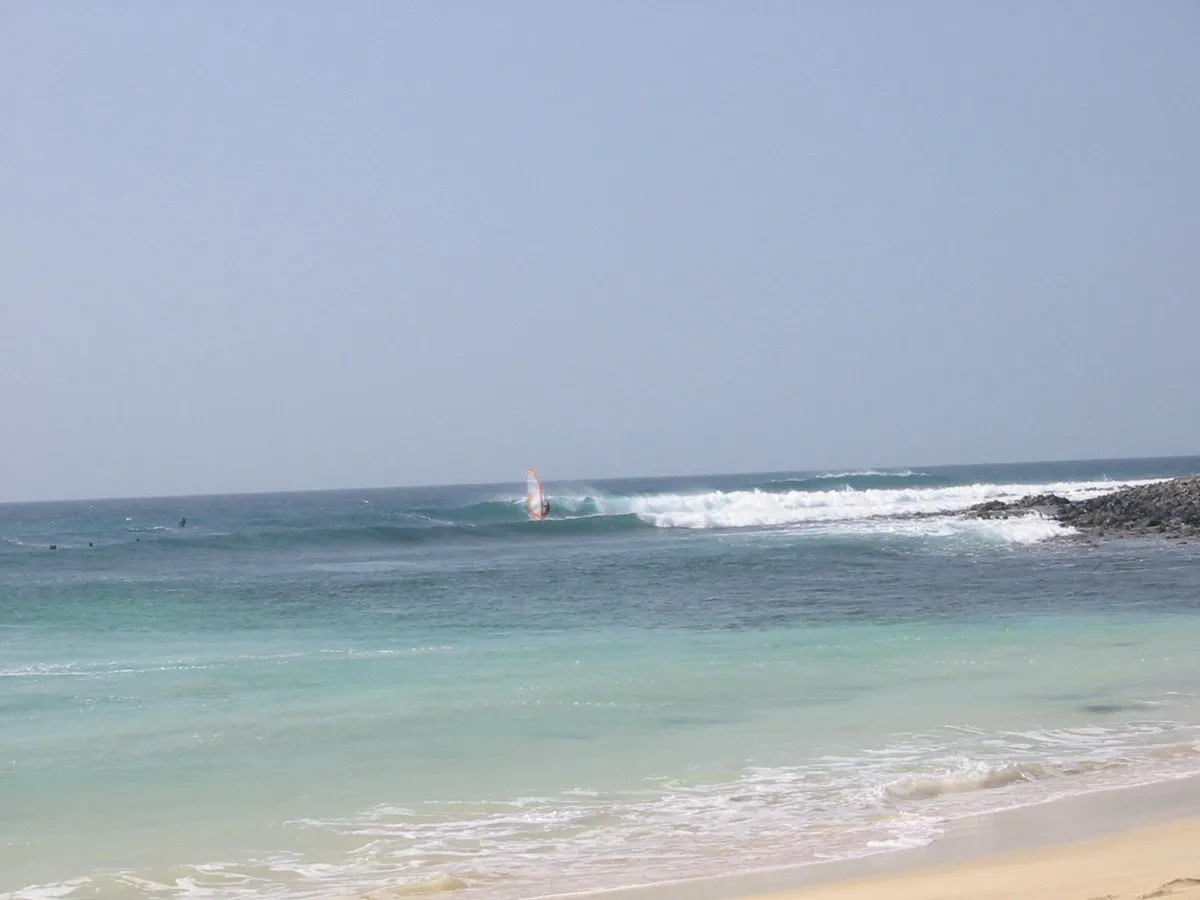
Windsurfing in Cape Verde