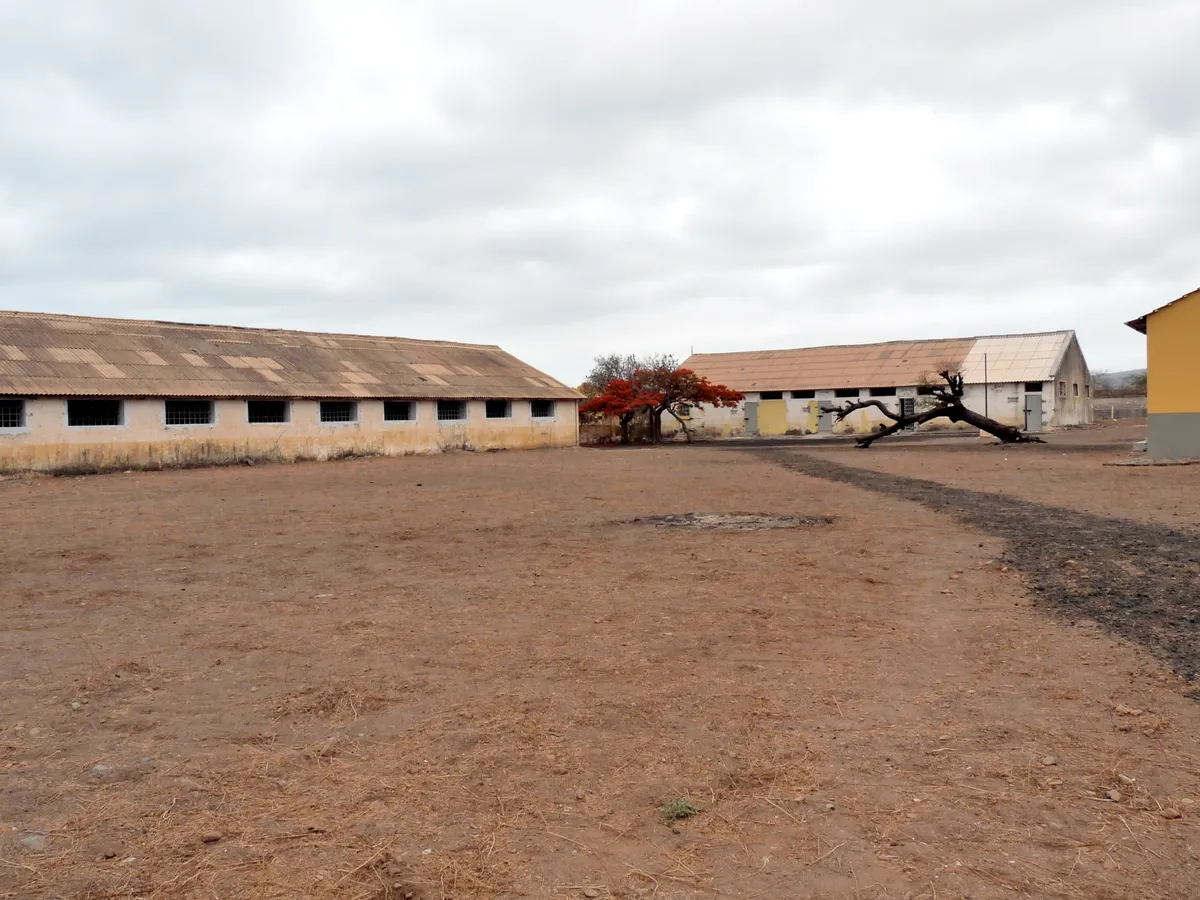
Tarrafal Concentration Camp (Museum of Resistance)
Former political prison near Tarrafal, Santiago, now a museum
Tarrafal Concentration Camp (Museum of Resistance)
The former concentration camp of Tarrafal lies at Chão Bom, on the outskirts of Tarrafal in the north of Santiago. The Portuguese dictatorship of the Estado Novo opened it as a penal colony for political prisoners. The first prisoners arrived in October 1936, and those held in the first phase were Portuguese anti-fascists. The camp closed in 1954.
It reopened in 1961 as the Chão Bom labour camp, this time for African anti-colonial activists from Angola, Guinea-Bissau and Cape Verde, at the time of the liberation wars. The remaining prisoners were freed on 1 May 1974, days after the Carnation Revolution ended the dictatorship in Lisbon. Prisoners called it the camp of slow death. Lisbon's Museu do Aljube, a museum of the resistance to the dictatorship, documents deaths in both phases of the camp.
The museum today
The Government of Cabo Verde opened the Museum of Resistance in the former camp buildings in 2000, and the site was classified as national heritage in 2006. A 2026 government order describes it as a place of memory shared by the peoples of Cape Verde, Angola, Guinea-Bissau and Portugal. You walk through the perimeter walls, the cell blocks and the punishment cells, with panels and photographs about the prisoners and their lives.
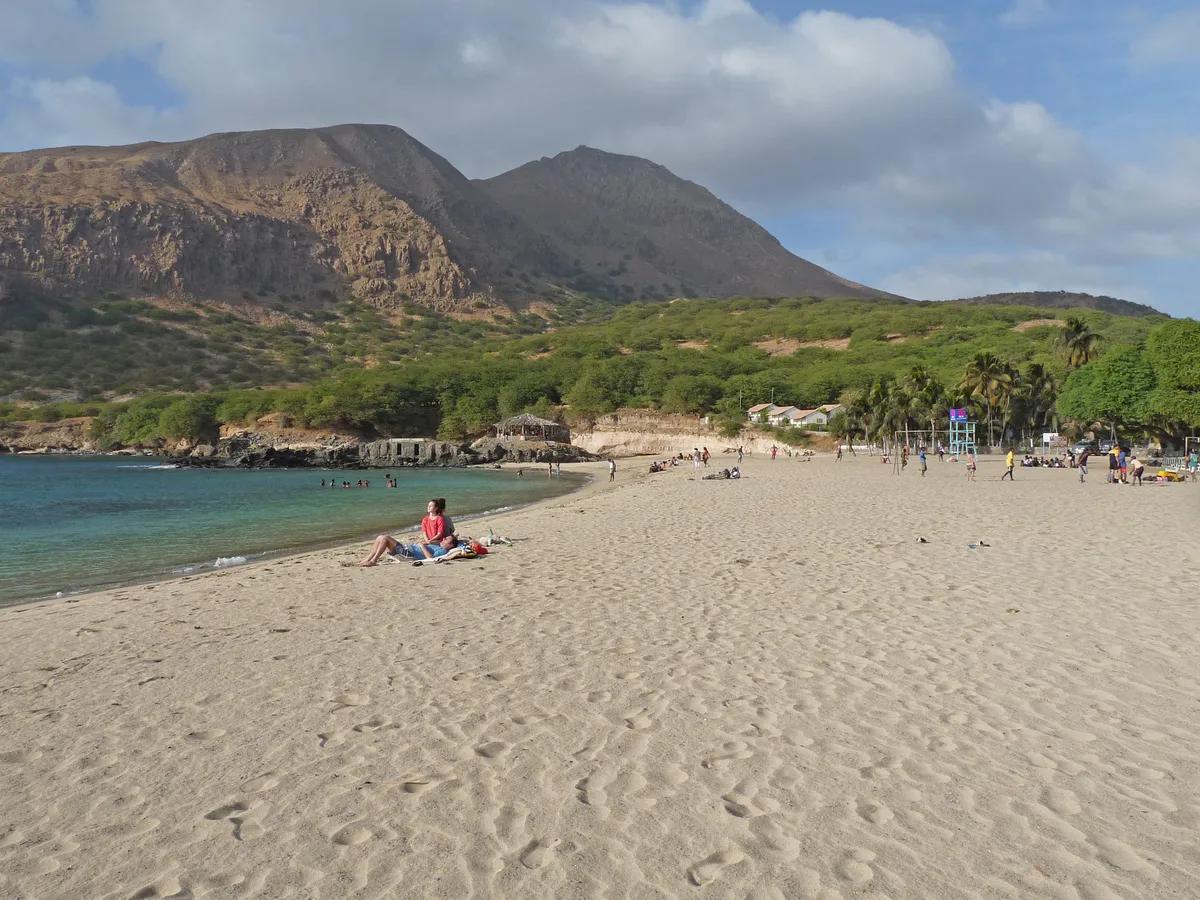
- The camp is on the road into Tarrafal town, so it pairs easily with a night at Tarrafal Beach.
- It was the most visited of Cape Verde's national museums in the first half of 2025, according to the Instituto do Património Cultural.
- The road north from Praia crosses the mountains near Serra Malagueta Natural Park.
Treat the visit as you would any memorial: dress modestly, keep voices low and ask before photographing other visitors. As of November 2026, the heritage institute lists daily opening from 09:00 to 17:00, until 13:00 on public holidays, with closure on 1 and 15 January, 1 May and 25 December. Admission is 200 CVE for foreign visitors and 100 CVE for nationals, with exemptions for children up to 12 and national students and older people.
Photo gallery
Tarrafal Concentration Camp (Museum of Resistance)
Photo: Gagum via Wikimedia Commons · CC BY 2.0 (https://creativecommons.org/licenses/by/2.0)
Frequently asked questions
What was the Tarrafal camp?
+
It was a prison camp set up by Portugal's Estado Novo dictatorship on Santiago. It held Portuguese anti-fascists from 1936 to 1954, then anti-colonial activists from Angola, Guinea-Bissau and Cape Verde from 1961 to 1974.
When did the camp close?
+
It first closed in 1954 and reopened in 1961. The last prisoners were freed on 1 May 1974, after the Carnation Revolution in Portugal.
Is the camp open to visitors?
+
Yes. The Government of Cabo Verde opened the Museum of Resistance in the former camp in 2000. As of November 2026, the heritage institute lists daily opening from 09:00 to 17:00, until 13:00 on public holidays; closed on 1 and 15 January, 1 May and 25 December. Foreign admission is 200 CVE and national admission 100 CVE, with exemptions.
How do I get to the Tarrafal camp?
+
The camp is at Chão Bom, on the edge of Tarrafal in the north of Santiago. Most visitors come by road from Praia, often combining it with a night by Tarrafal Beach.
Keep reading
Travel Guides
Helpful guides for planning your trip to Tarrafal
More to Explore in Tarrafal
Discover beaches, attractions, activities, and more in the same area
Similar attractions
Make the most of Tarrafal Concentration Camp (Museum of Resistance)
Pair this stop with our travel guides to build the rest of your trip around it.