Buracona Blue Eye (Olho Azul)
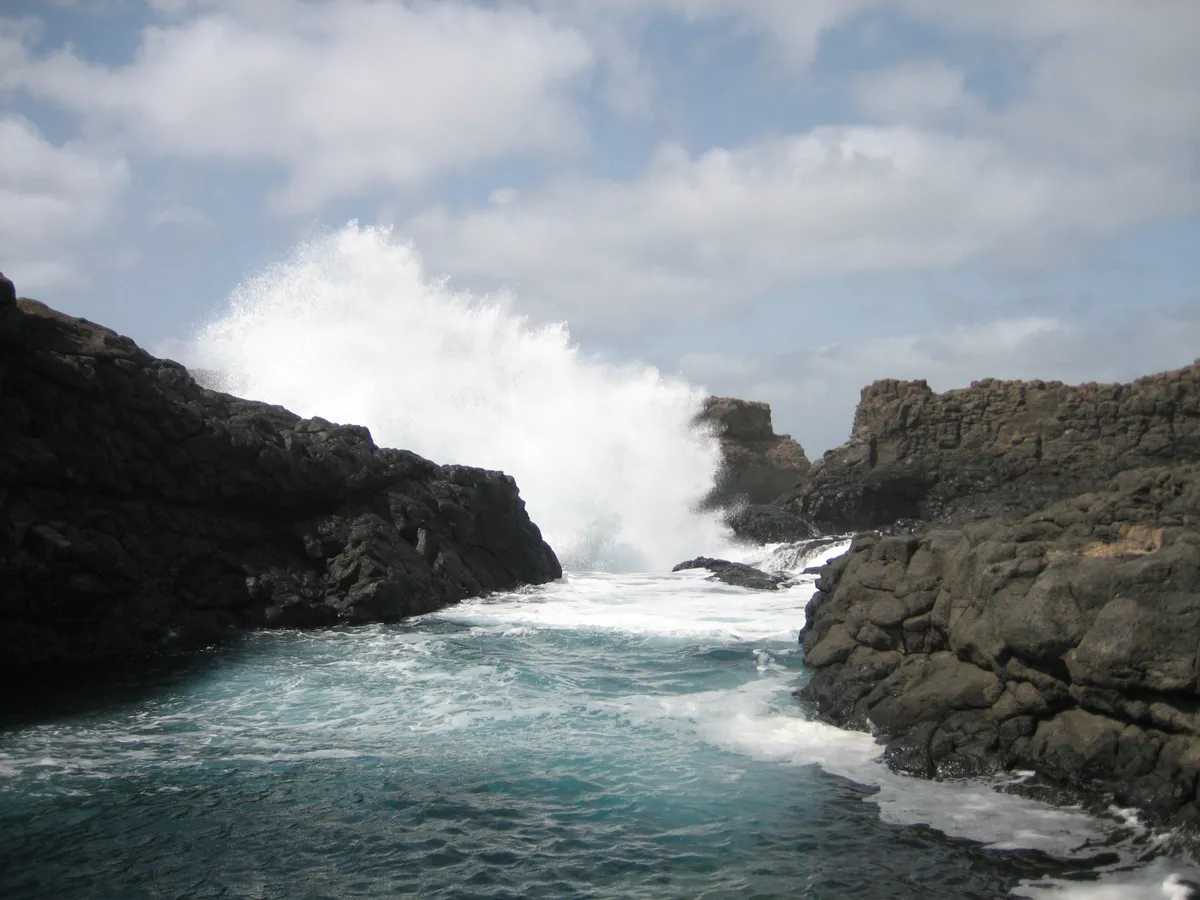
A rocky bay on the north-west coast of Sal, Cape Verde, with a natural lava pool and the Blue Eye, a hole in the rock that glows blue when the midday sun shines in.
Photo: Iwoelbern via Wikimedia Commons · Public domain
17 landmarks and natural sites across the islands of Cape Verde, from the Pedra de Lume salt crater on Sal and the Viana desert on Boa Vista to Cidade Velha, the World Heritage site on Santiago, and the summit of Pico do Fogo. Planning a day-by-day list? See things to do in Cape Verde.

A rocky bay on the north-west coast of Sal, Cape Verde, with a natural lava pool and the Blue Eye, a hole in the rock that glows blue when the midday sun shines in.
Photo: Iwoelbern via Wikimedia Commons · Public domain
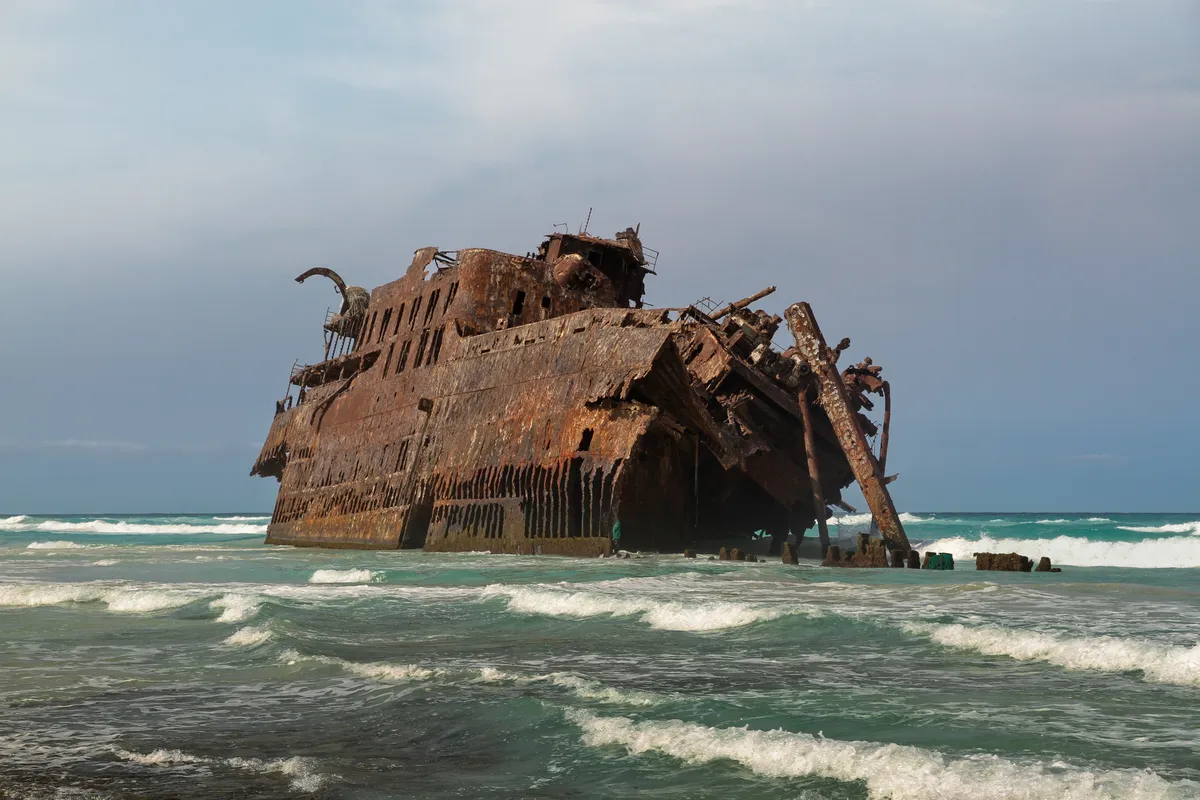
The rusting wreck of the Spanish cargo ship Cabo Santa Maria, aground since 1968 off Praia de Atalanta on the north coast of Boa Vista, Cape Verde.
Photo: Ximonic (Simo Räsänen) via Wikimedia Commons · CC BY-SA 4.0 (https://creativecommons.org/licenses/by-sa/4.0)

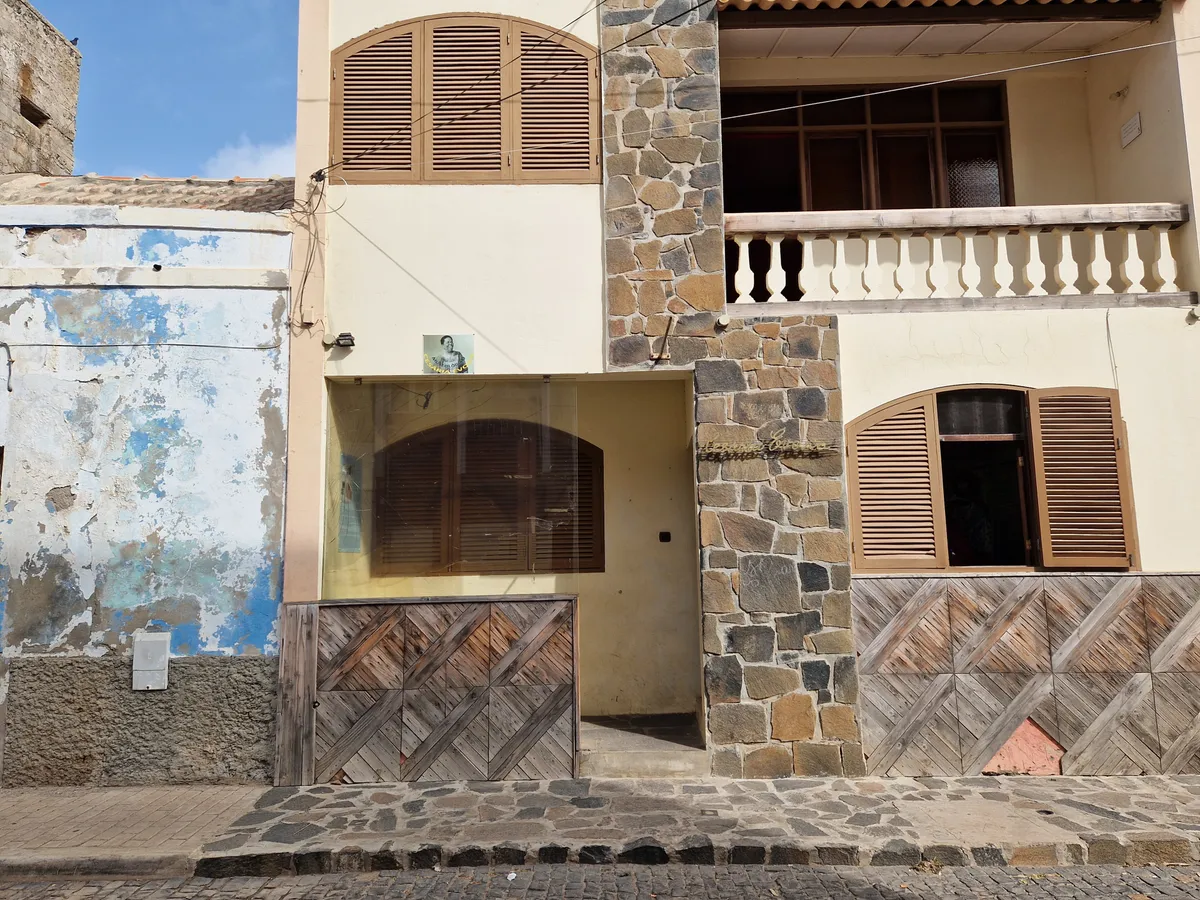
A small museum in central Mindelo, São Vicente, dedicated to the singer Cesária Évora (1941 to 2011). Opened in 2015 in a building provided for her, it shows personal and stage objects, photographs and records.
Photo: Hanay via Wikimedia Commons · CC BY-SA 3.0 (https://creativecommons.org/licenses/by-sa/3.0)

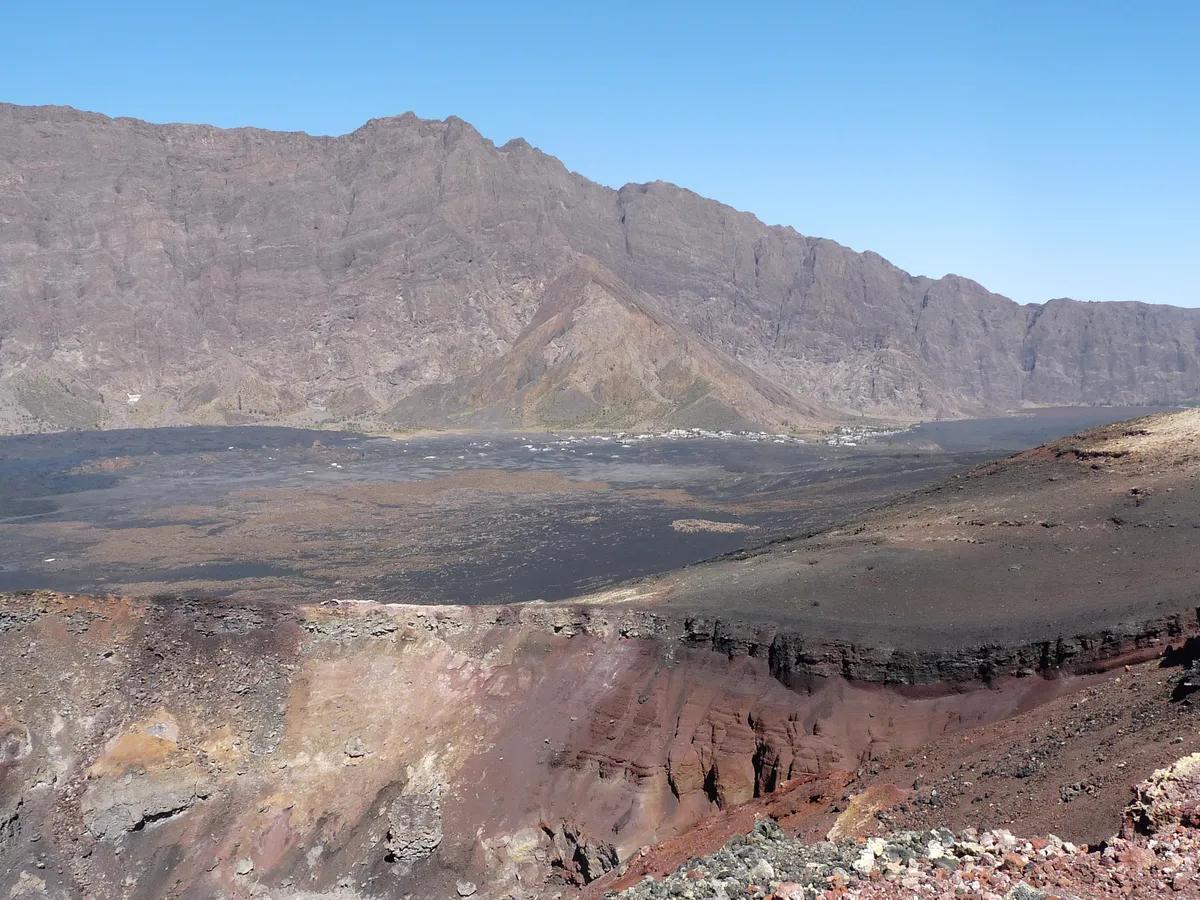
The vast caldera at the heart of Fogo island, about 9 km across, with Pico do Fogo rising from its floor. Its villages were largely destroyed by lava in 2014 to 2015, and people have since returned.
Photo: Ji-Elle via Wikimedia Commons · CC BY-SA 3.0 (https://creativecommons.org/licenses/by-sa/3.0)

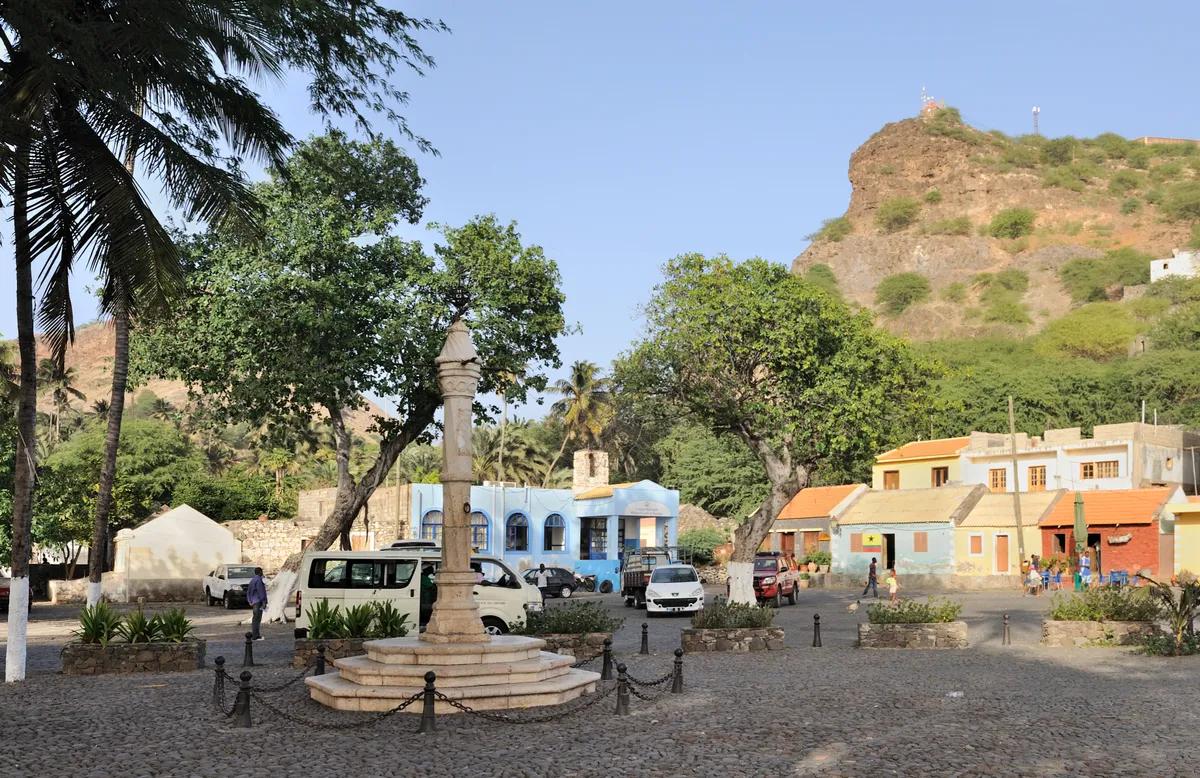
Cidade Velha on Santiago is Cape Verde's first UNESCO World Heritage Site, inscribed in 2009: a small seaside town with a 16th-century marble pillory, old churches and a royal fortress on the hill above.
Photo: Cayambe via Wikimedia Commons · CC BY-SA 3.0 (https://creativecommons.org/licenses/by-sa/3.0)

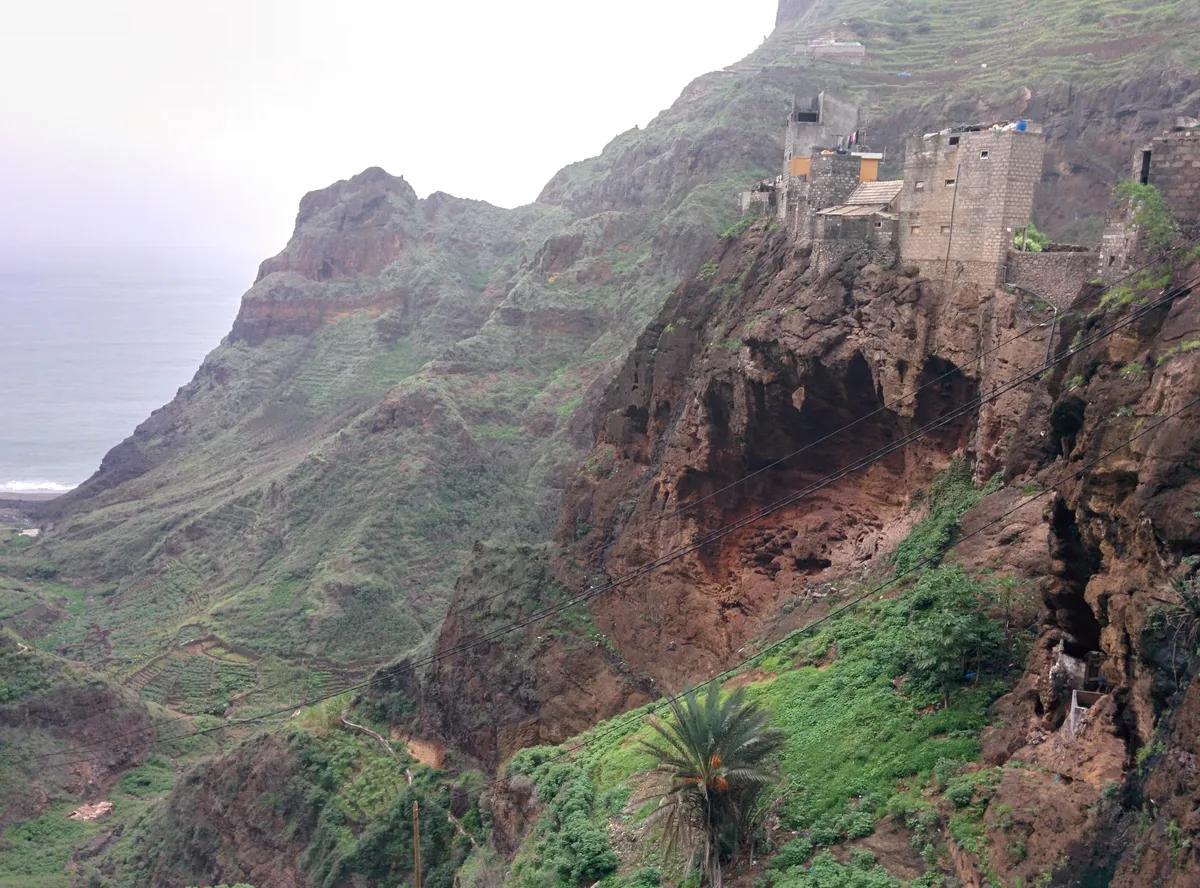
A small village built along a narrow ridge above a deep ravine near Ponta do Sol, on the north coast of Santo Antão. Reached by road or on foot from Ponta do Sol.
Photo: Patrick Savalle via Wikimedia Commons · CC BY-SA 3.0 (https://creativecommons.org/licenses/by-sa/3.0)

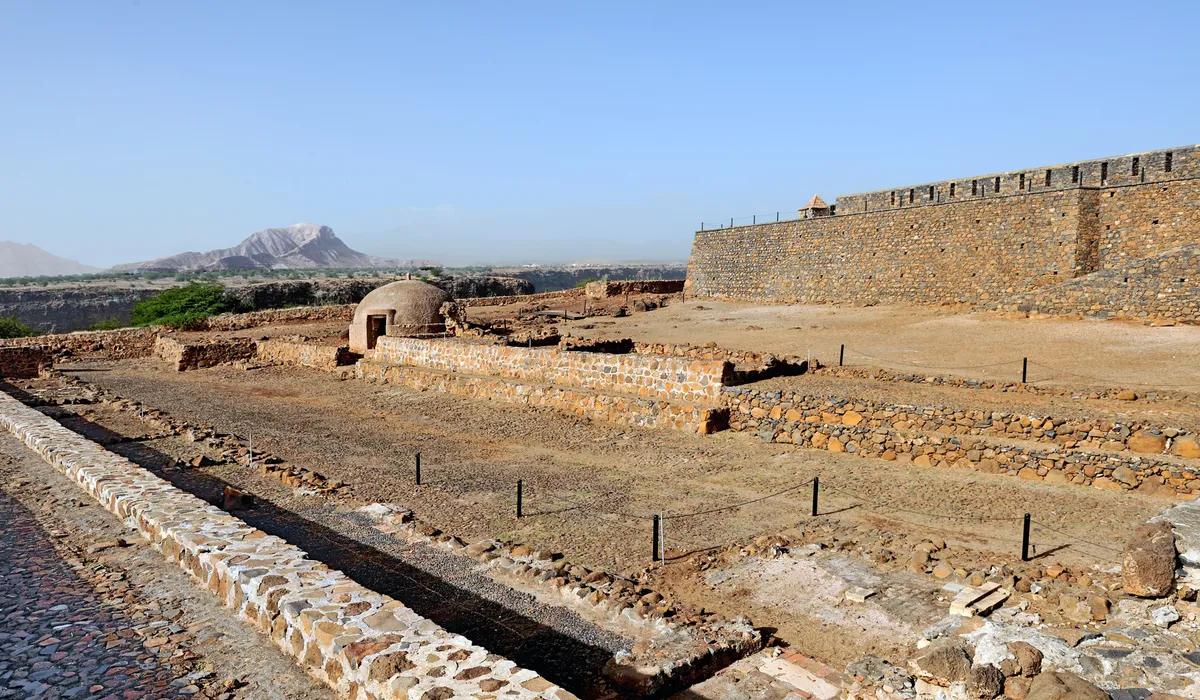
The royal fortress above Cidade Velha on Santiago, part of the UNESCO World Heritage Site. Walk its stone walls for a view over the old town, the valley and the Atlantic.
Photo: Cayambe via Wikimedia Commons · CC BY-SA 3.0 (https://creativecommons.org/licenses/by-sa/3.0)

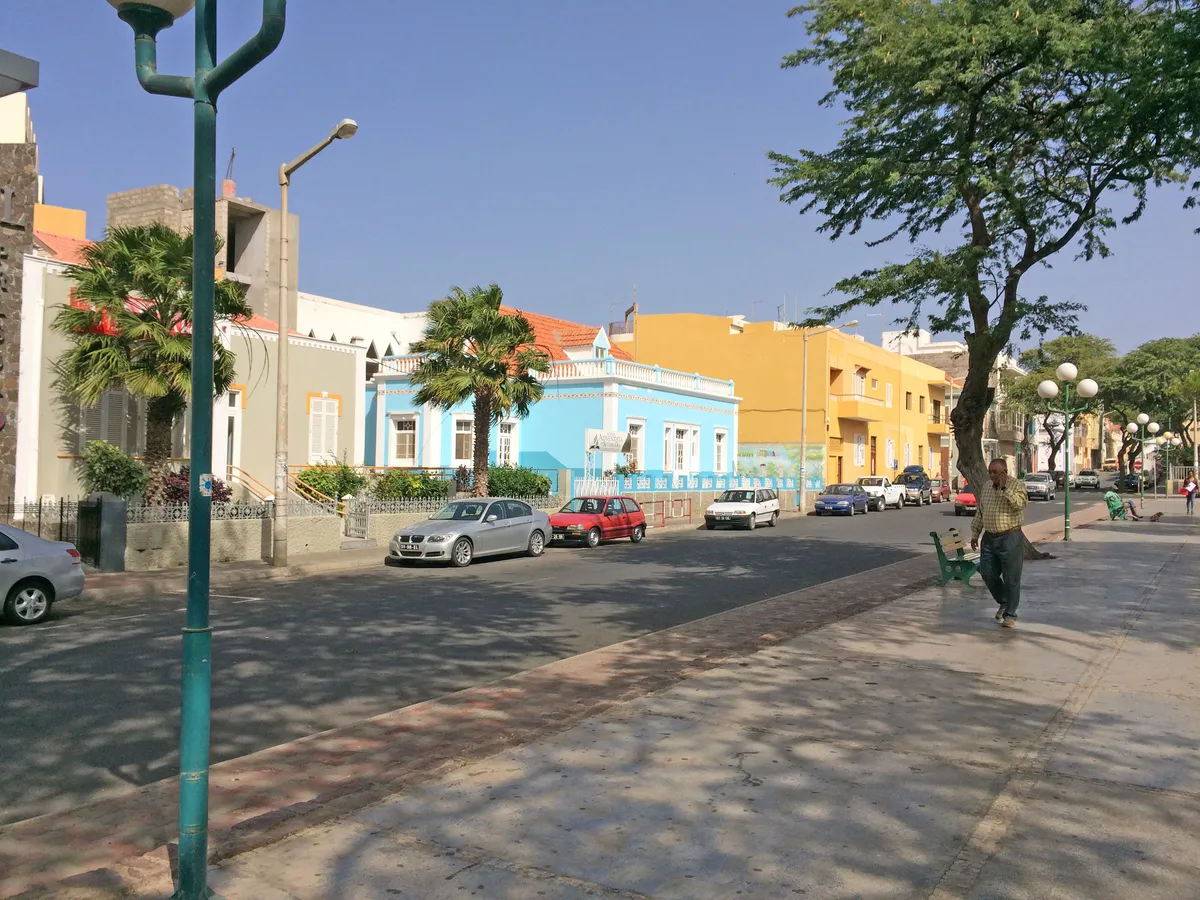
The historic centre of Mindelo on São Vicente: pastel colonial buildings, the Palácio do Povo, the municipal market and a seafront on the Porto Grande bay. Cape Verde's cultural capital, best explored on foot.
Photo: Herbert wie via Wikimedia Commons · CC BY-SA 4.0 (https://creativecommons.org/licenses/by-sa/4.0)

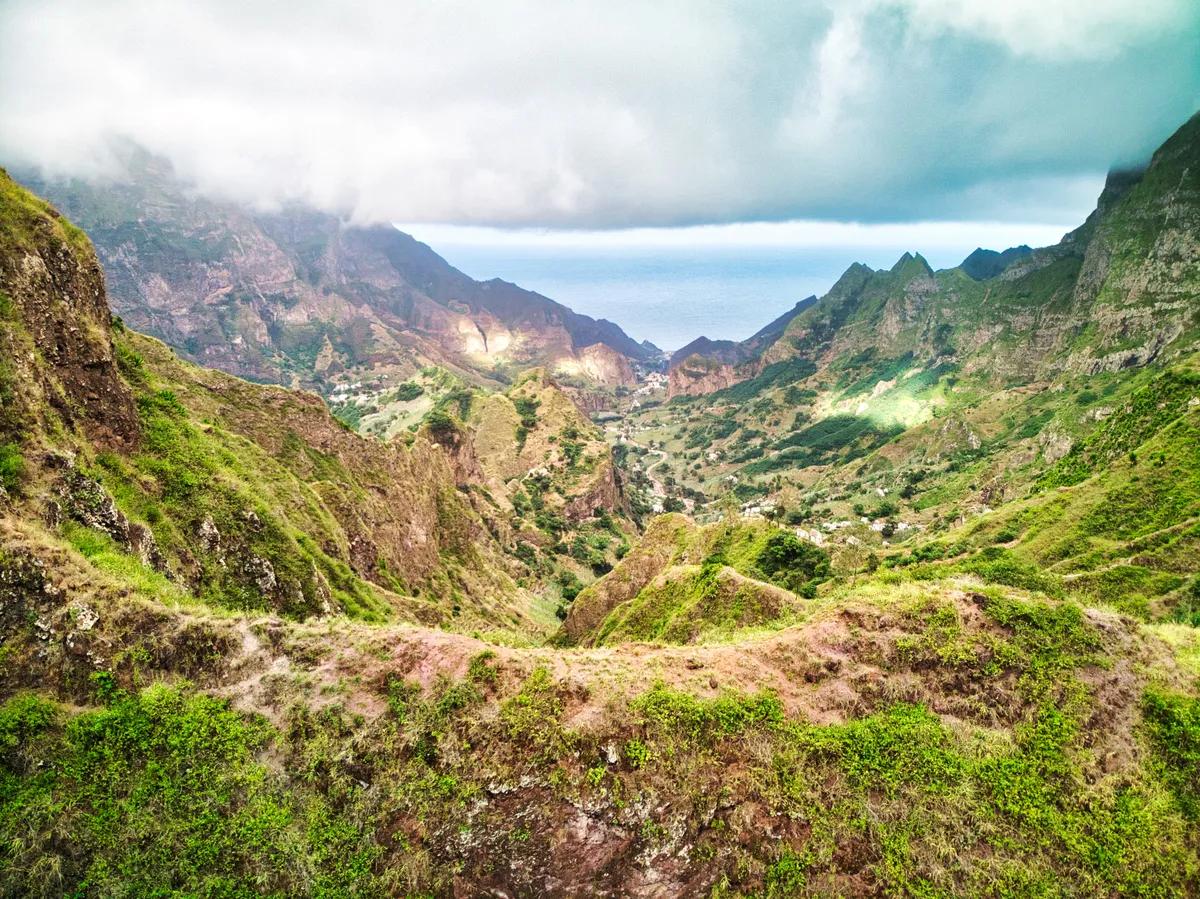
A deep, green valley on the northeast of Santo Antão, running from the Cova crater down to the sea at Vila das Pombas. Its upper part lies in the Cova, Paul and Ribeira da Torre Natural Park.
Photo: CaptainDarwin via Wikimedia Commons · CC BY-SA 4.0 (https://creativecommons.org/licenses/by-sa/4.0)

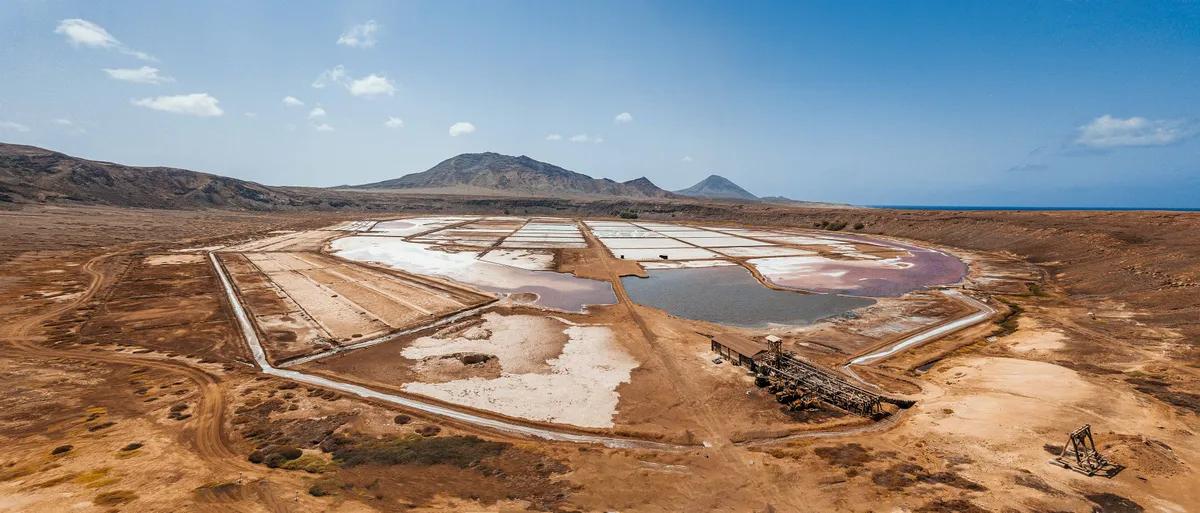
Salt pans laid out inside the crater of an extinct volcano on the east coast of Sal, Cape Verde. Float in the brine pools and see the remains of the old salt industry.
Photo: Dandell7 via Wikimedia Commons · CC BY-SA 4.0 (https://creativecommons.org/licenses/by-sa/4.0)

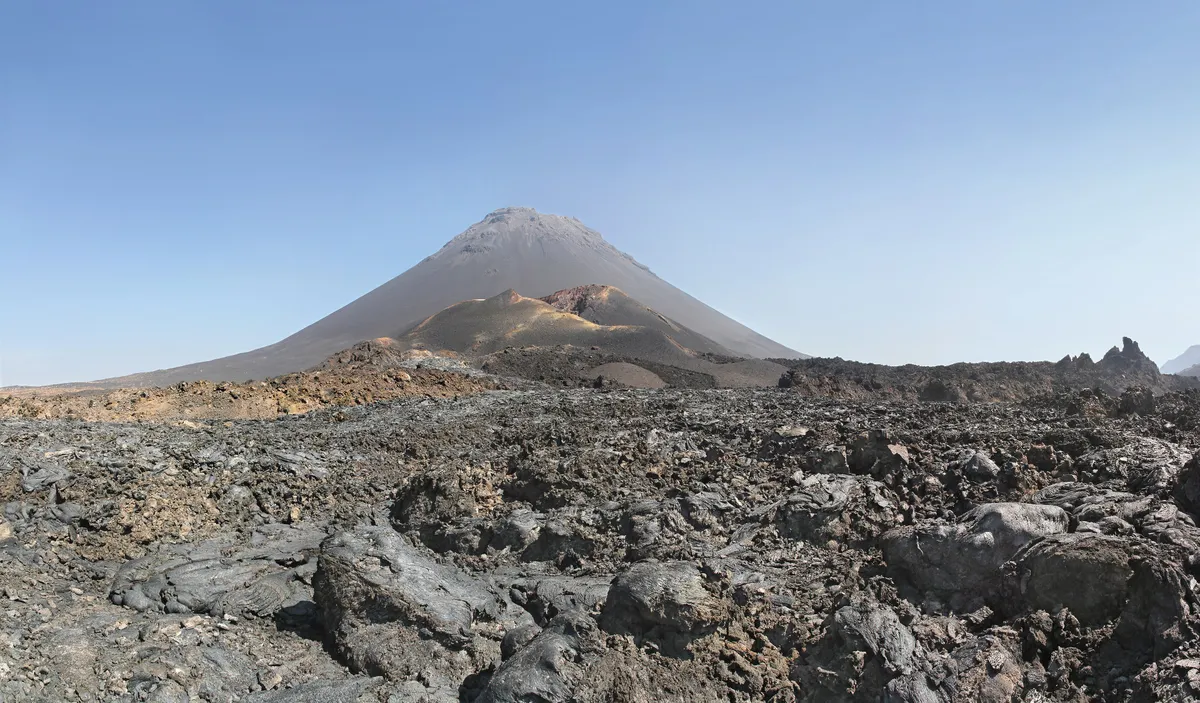
The active volcano on Fogo island and Cape Verde's highest peak, a steep cone rising more than 1 km above the Chã das Caldeiras crater floor. Its last eruption ran from November 2014 to February 2015.
Photo: Ximonic, Simo Räsänen via Wikimedia Commons · CC BY-SA 3.0 (https://creativecommons.org/licenses/by-sa/3.0)

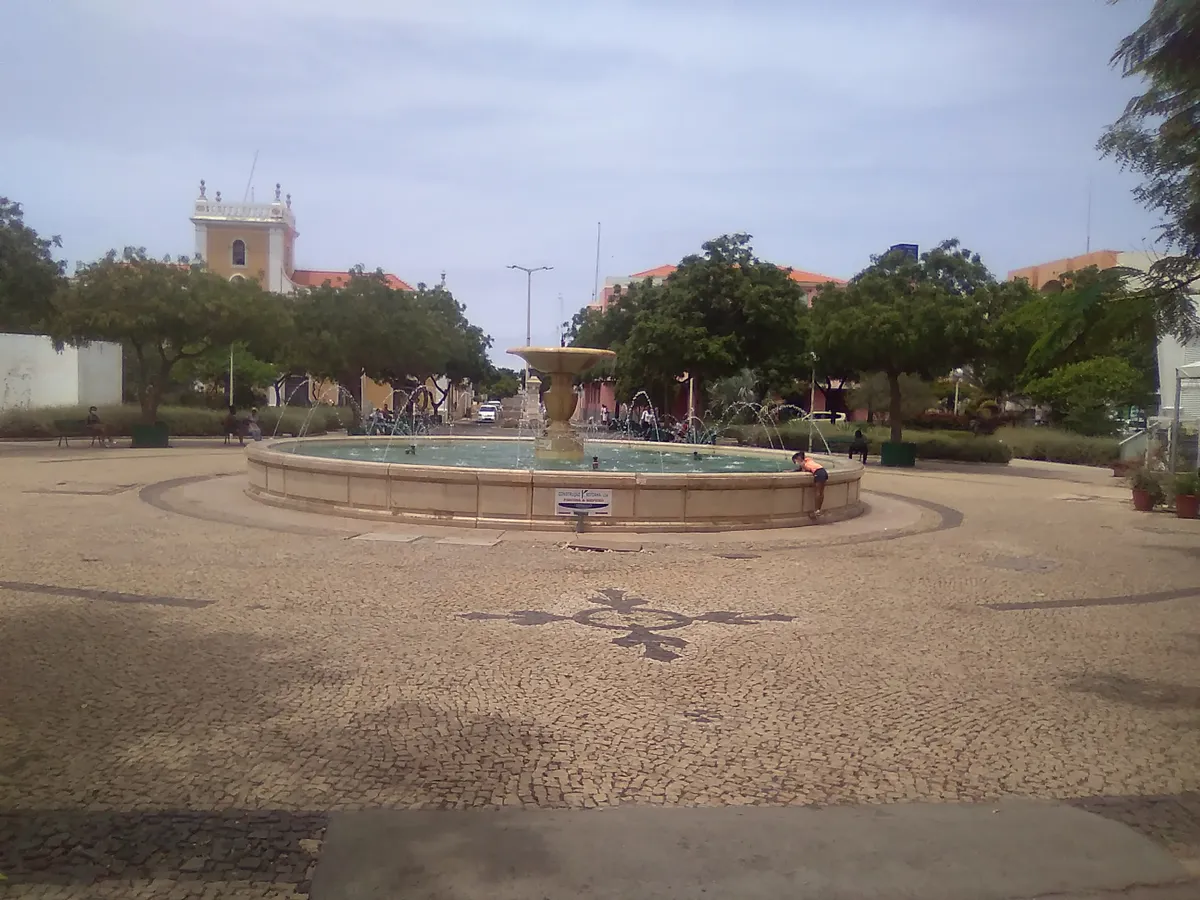
The Plateau is the old centre of Praia, the capital on Santiago: a flat-topped hill of colonial streets, a main square, the cathedral and the Ethnographic Museum above the harbour.
Photo: Somada via Wikimedia Commons · CC BY-SA 4.0 (https://creativecommons.org/licenses/by-sa/4.0)
The wooden pier at the heart of Santa Maria on Sal, Cape Verde, partly destroyed by a storm in October 2024 and now being rebuilt as a longer, wider pier.
A rocky bay on the east coast of Sal, Cape Verde, where young lemon sharks swim in shallow water. Visit with a guide, wade quietly and watch without touching.

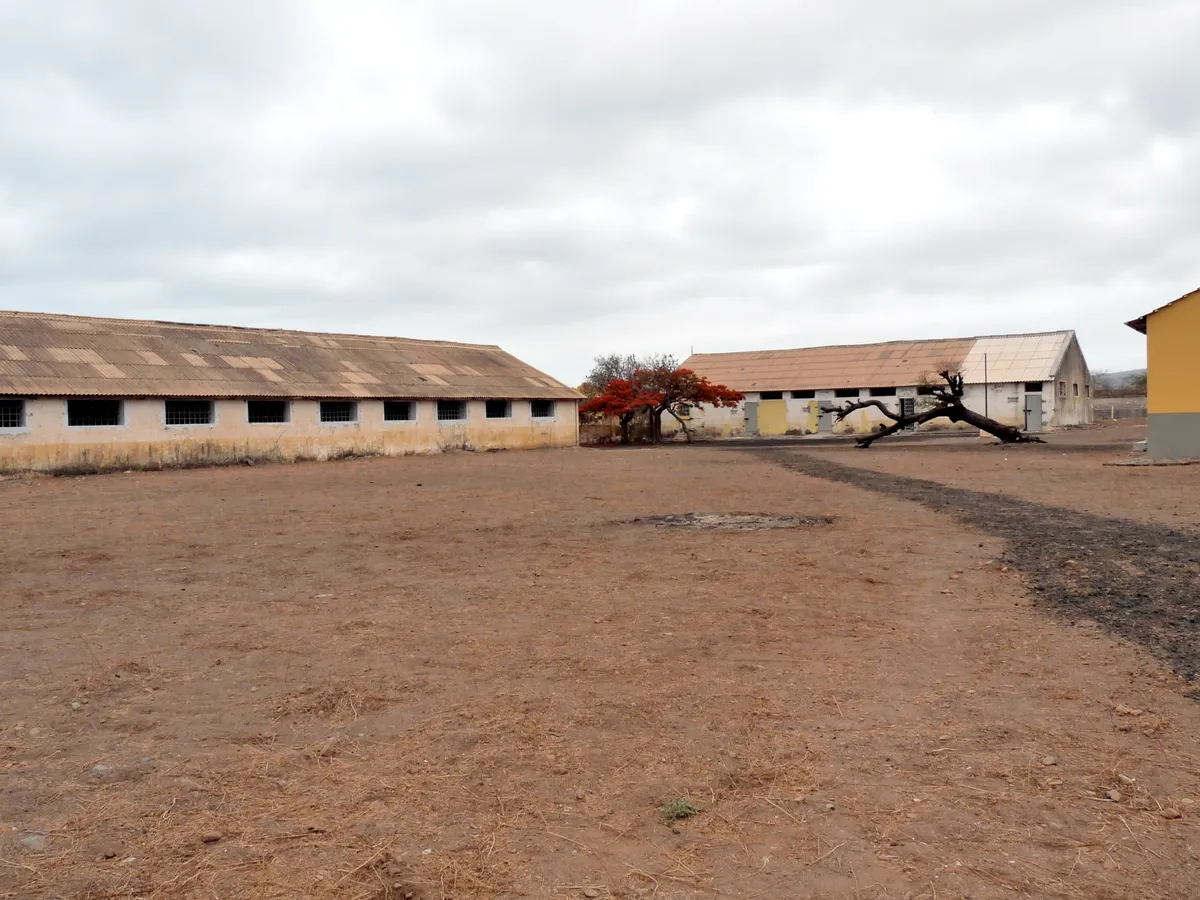
The former Tarrafal concentration camp on Santiago, where Portugal's dictatorship held political prisoners from 1936 to 1954 and again from 1961 to 1974. A museum since 2000 and a national heritage site.
Photo: Gagum via Wikimedia Commons · CC BY 2.0 (https://creativecommons.org/licenses/by/2.0)
A small village and wide flat plain north of Espargos on Sal, Cape Verde, known for the mirage that makes the hot ground look like a lake on the horizon.

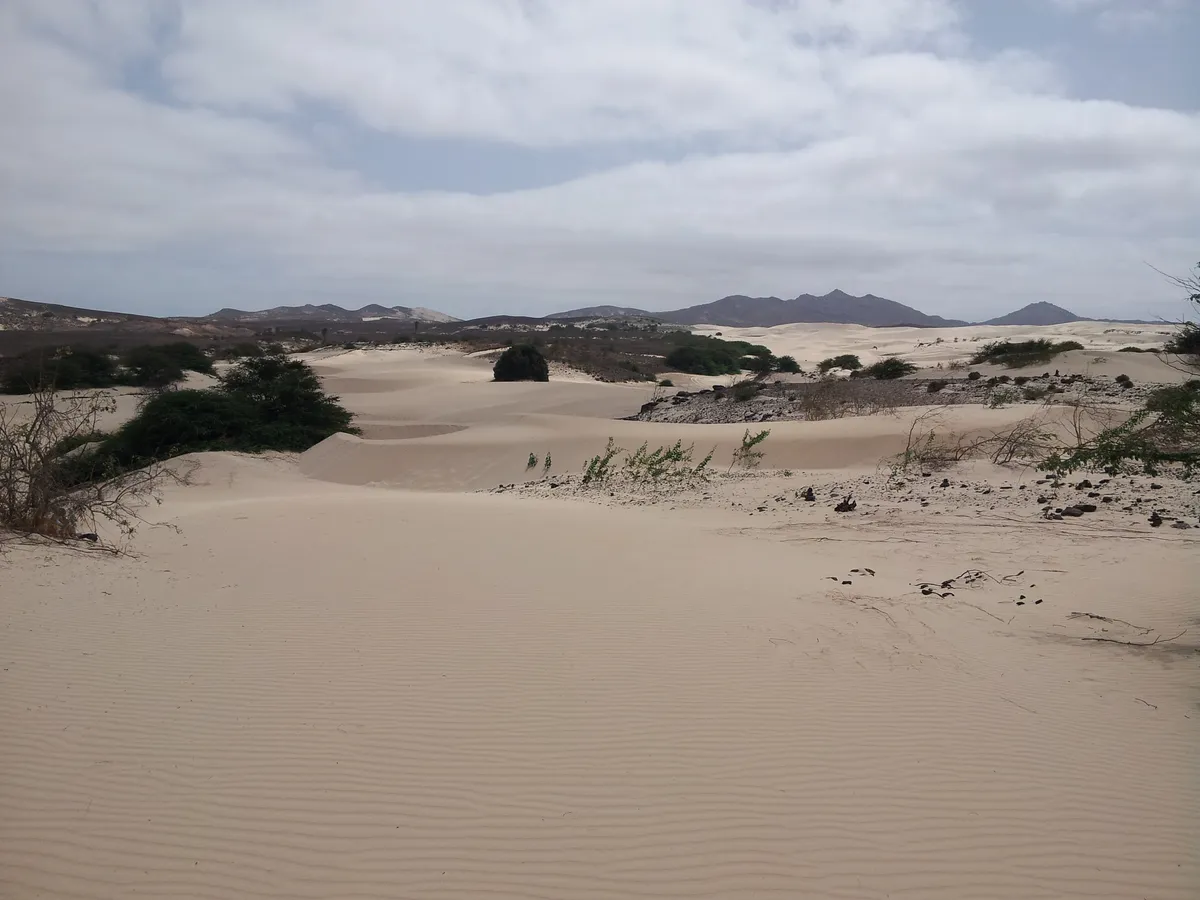
A sand desert of pale dunes in the north-west of Boa Vista, Cape Verde, a short drive from Sal Rei. Walk the dunes at sunrise or see them on a 4x4 or quad tour.
Photo: Felitsata via Wikimedia Commons · CC BY-SA 3.0 (https://creativecommons.org/licenses/by-sa/3.0)
Pick the sites near your base, check their opening days, then use the travel guides to fit them into a route.