Turtle Watching in Cape Verde
Loggerhead nesting on Sal and Boa Vista
Turtle Watching in Cape Verde
Watch loggerhead turtles nest on the beaches of Sal and Boa Vista in summer, on a licensed night walk with a certified nature guide under the 2024 rules.
Cape Verde (Cabo Verde) is one of the world's most important nesting grounds for the loggerhead turtle. Projeto Biodiversidade, the conservation organisation on Sal, says the nesting season runs from June until October, that Boa Vista hosts 60 to 70 percent of the country's nesting population, and that Sal has the second-largest rookery. Under the national regulation for turtle watching (Decree-Law 50/2024), nesting runs from 1 June to 31 October, incubation and hatching continue until the end of November, and the official turtle-watching period is 15 July to 30 September.
On Sal, Projeto Biodiversidade says all of the island's beaches are nesting beaches, with the highest density of nests in the Serra Negra protected area on the east coast, and Ponta do Sino among the important sites in the south. On Boa Vista, Fundação Tartaruga, the Cape Verdean conservation organisation working with the Turtle Foundation, patrols around 35 kilometres of nesting beach from June to October and runs a protected hatchery at Lacação. It recorded more than 9,500 nests on its protected beaches in 2025. For 2026, Projeto Biodiversidade published turtle-watching dates of 1 July to the end of September, excluding specific nesting beaches. Its earlier start differs from the regulation: ask the operator to show the authorisation for the dates and beach you intend to visit.
The rules
Night visits to a nesting beach to watch turtles are only allowed with a certified nature guide working for a licensed operator, between 7 pm and midnight (as of November 2026), unless the environmental authority grants an exceptional authorisation. Groups are capped at ten visitors per turtle, wait at the end of the beach until the turtle starts laying, then approach in single file from behind and stay at least one metre away for no more than 30 minutes. Visitor lighting, phone screens and flash photography are banned; the guide uses red light on the shell and rear flippers only. Touching turtles, eggs or hatchlings, smoking and drinking alcohol on the beach, and driving on nesting beaches are also banned. Wear dark clothes. Each visitor pays a conservation contribution through the operator: the 2024 regulation sets it at 2,200 escudos for foreign visitors aged 16 and over and 1,650 escudos for foreign visitors under 16 (as of November 2026, the published statutory amounts; confirm the amount charged when booking, as it can be adjusted for inflation).
- During a summer stay, consider snorkelling.
- Boa Vista's dune reserve is covered under Morro de Areia.
- Compare islands in Sal or Boa Vista.
Book only with an operator that can show its authorisation, and walk away from anyone offering a beach visit without a guide. Turtles that are disturbed before they start laying often return to the sea without nesting.
What to know before you go
Plan this experience
The essentials for booking Turtle Watching in Cape Verde and getting there.
Frequently asked questions
Keep reading
Travel Guides
Helpful guides for planning your trip to Sal
 Planning
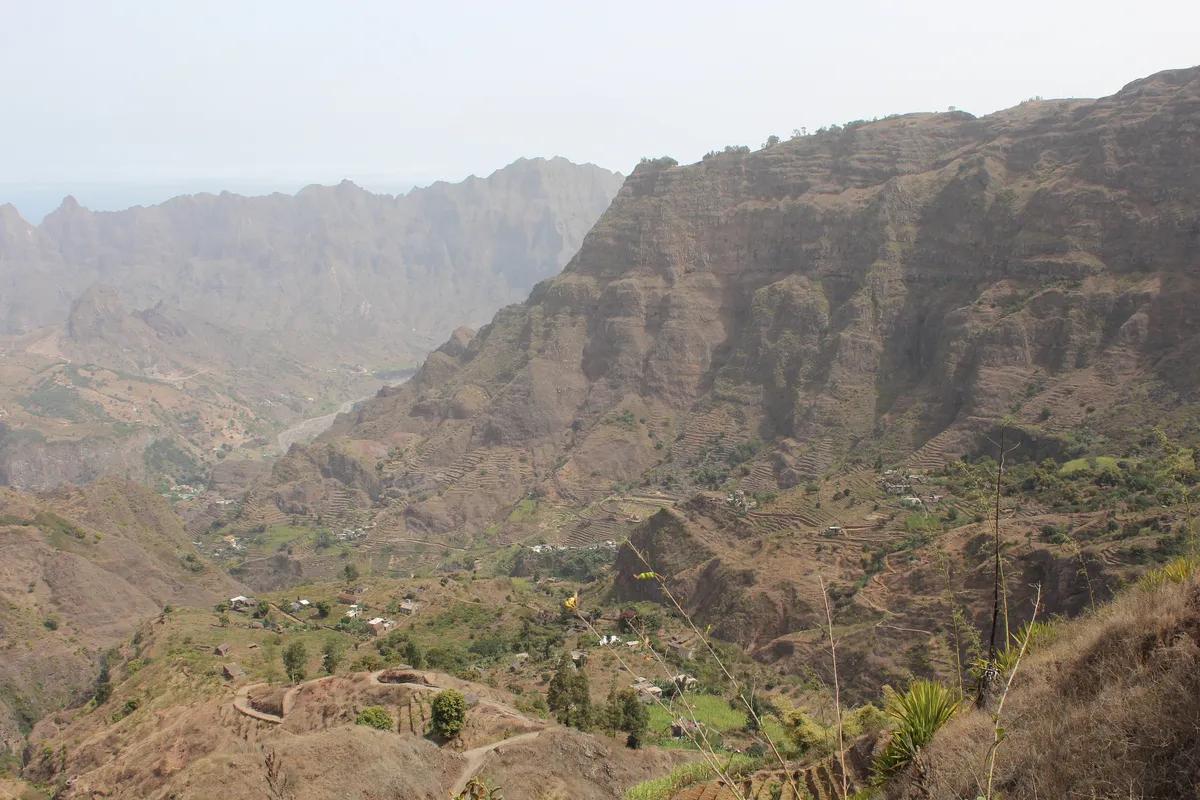
Which Cape Verde Island Is Best? An Honest Island-by-Island Comparison
Sal and Boa Vista for beaches and easy flights, Santo Antão for hiking, São Vicente for music, Santiago for history, Fogo for the volcano: a fair comparison table and realistic combinations.
 Experiences
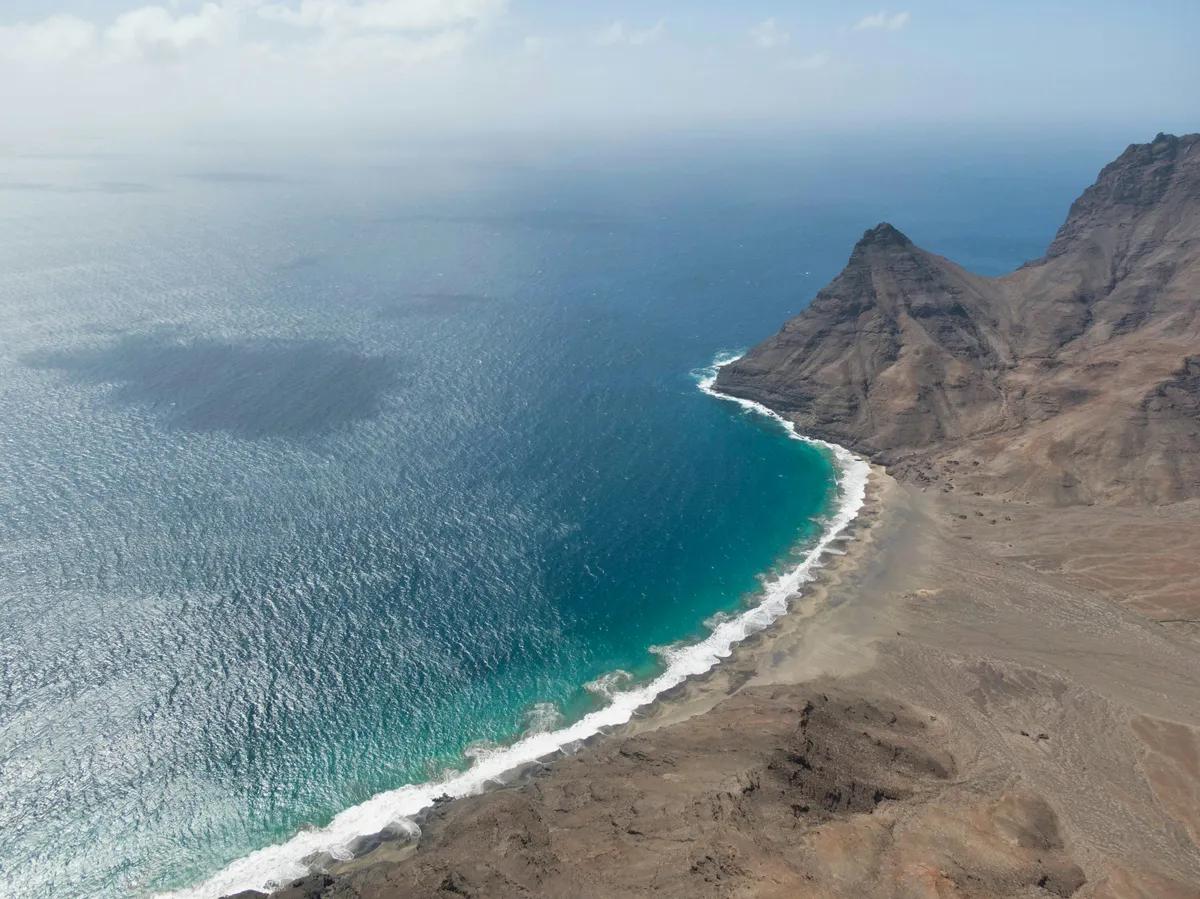
Things to Do in Cape Verde: The Best Experiences by Island
From kitesurfing on Sal and turtles on Boa Vista to Cidade Velha on Santiago, morna in Mindelo, Santo Antão trails and the climb up Pico do Fogo: what to do and which island it is on.
 Planning
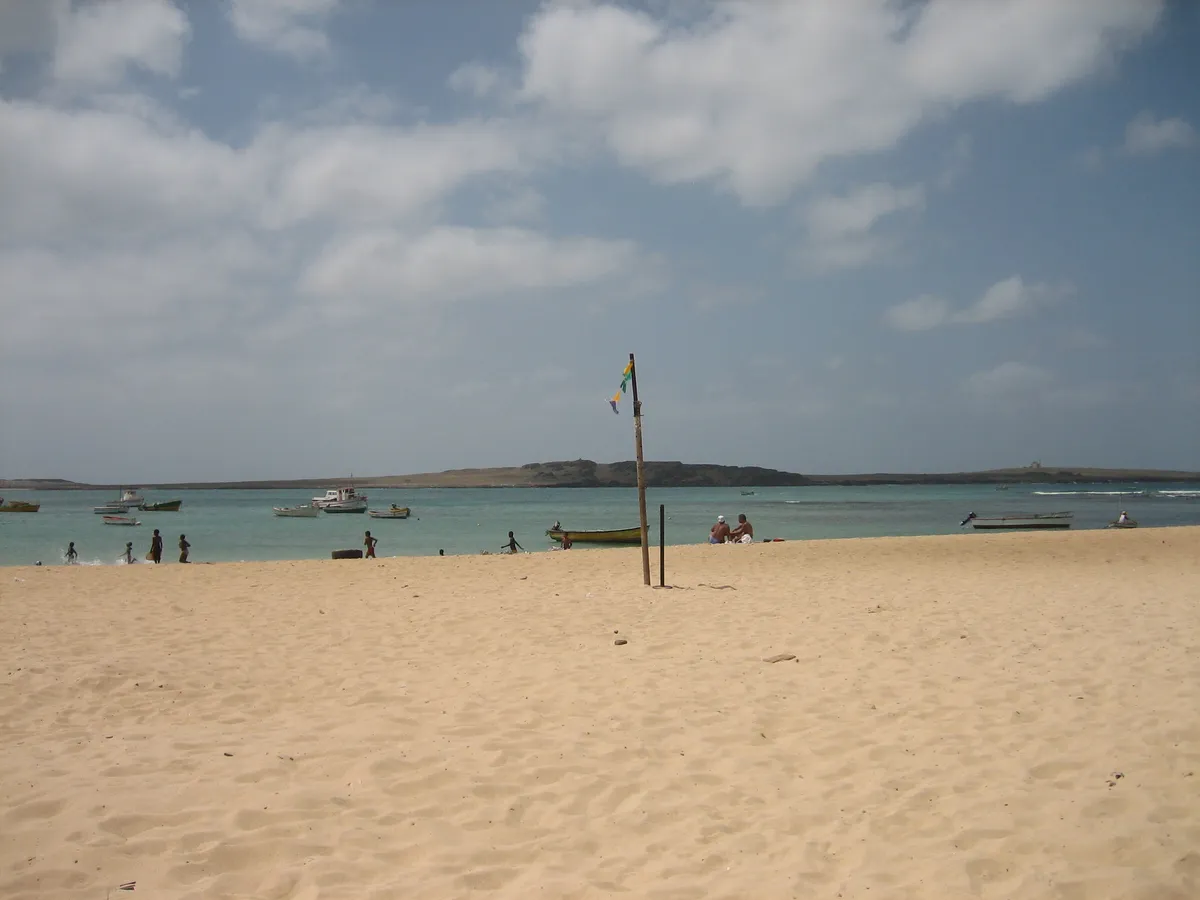
Sal or Boa Vista? Which Cape Verde Island to Choose
Sal suits walkers, kitesurfers and people who want a lively town; Boa Vista suits all-inclusive stays, empty beaches and whale season. Here is how they compare point by point.
More to Explore in Sal
Discover beaches, attractions, activities, and more in the same area
Similar activities and experiences
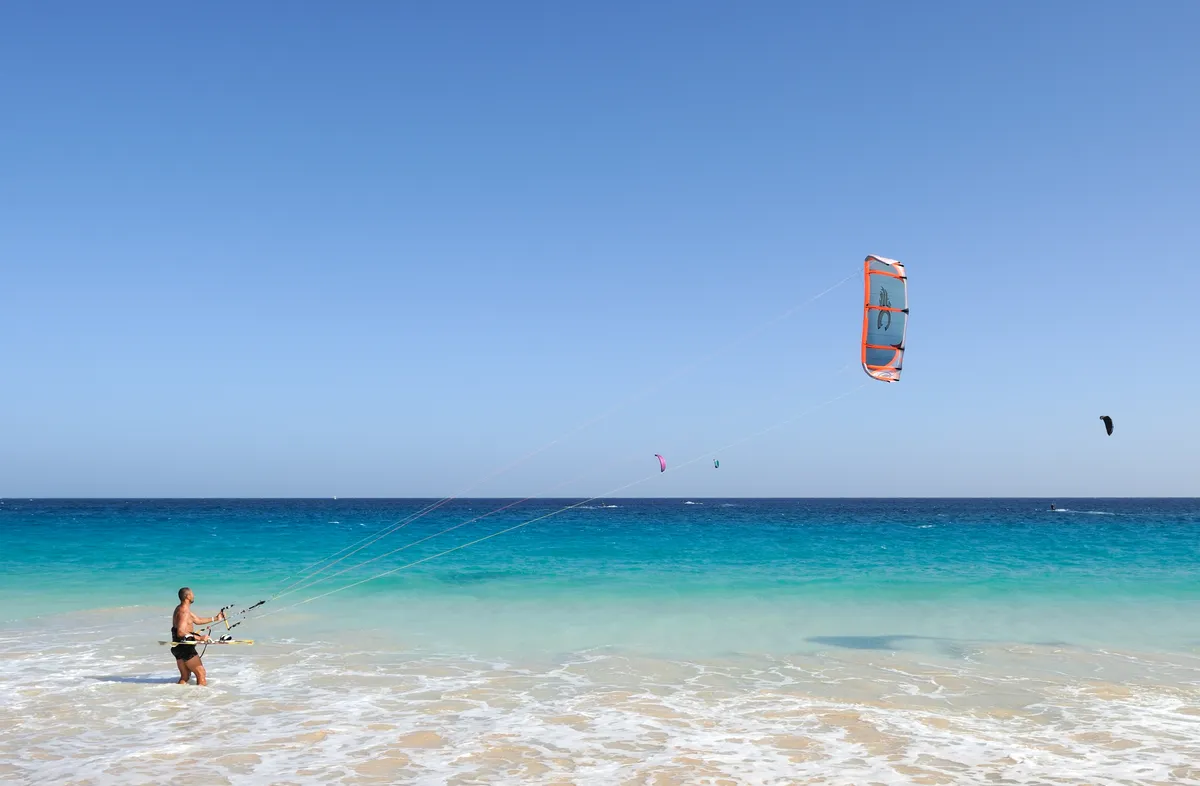
Kitesurfing in Cape Verde
Whale Watching off Boa Vista
Snorkelling in Cape Verde
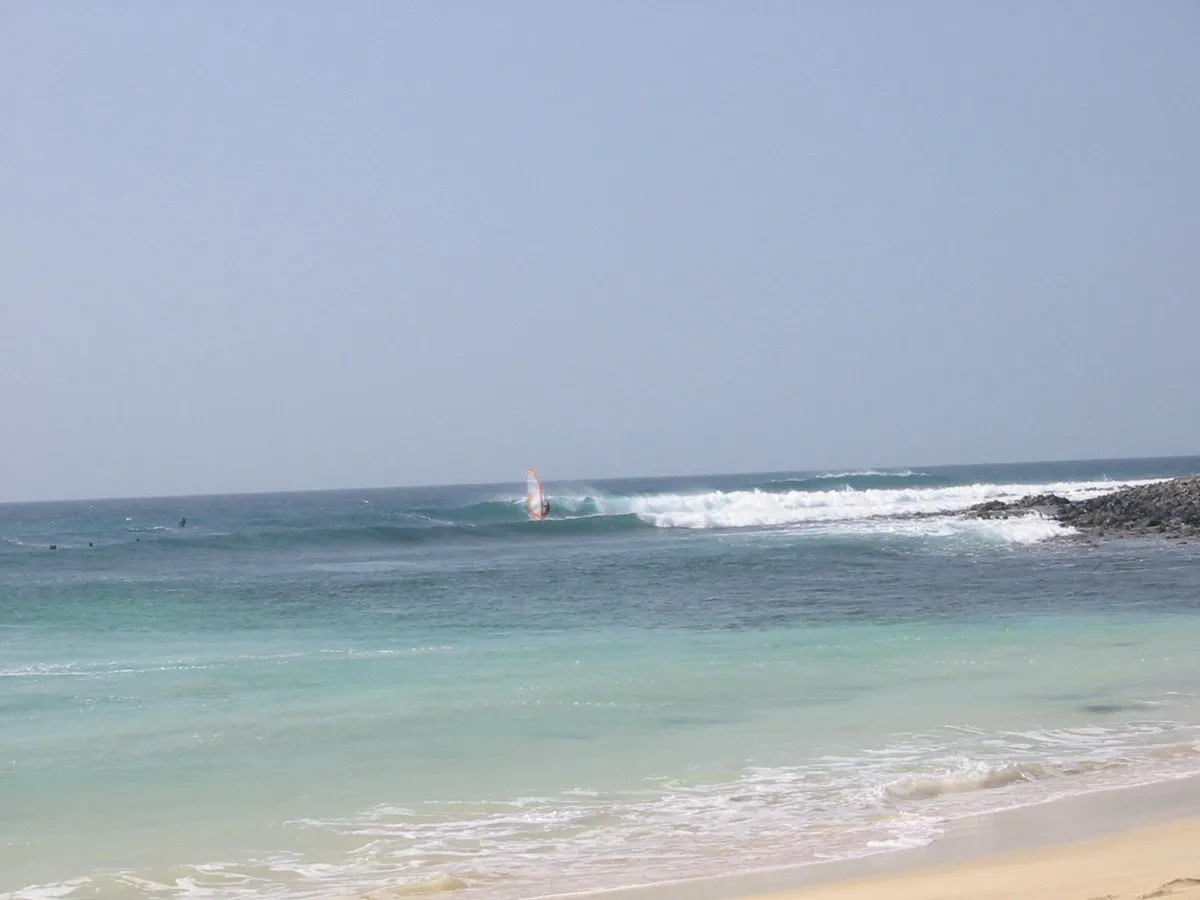
Windsurfing in Cape Verde
Scuba Diving in Cape Verde