Kite Beach
Sal's windy east-coast beach on Costa da Fragata, made for kites
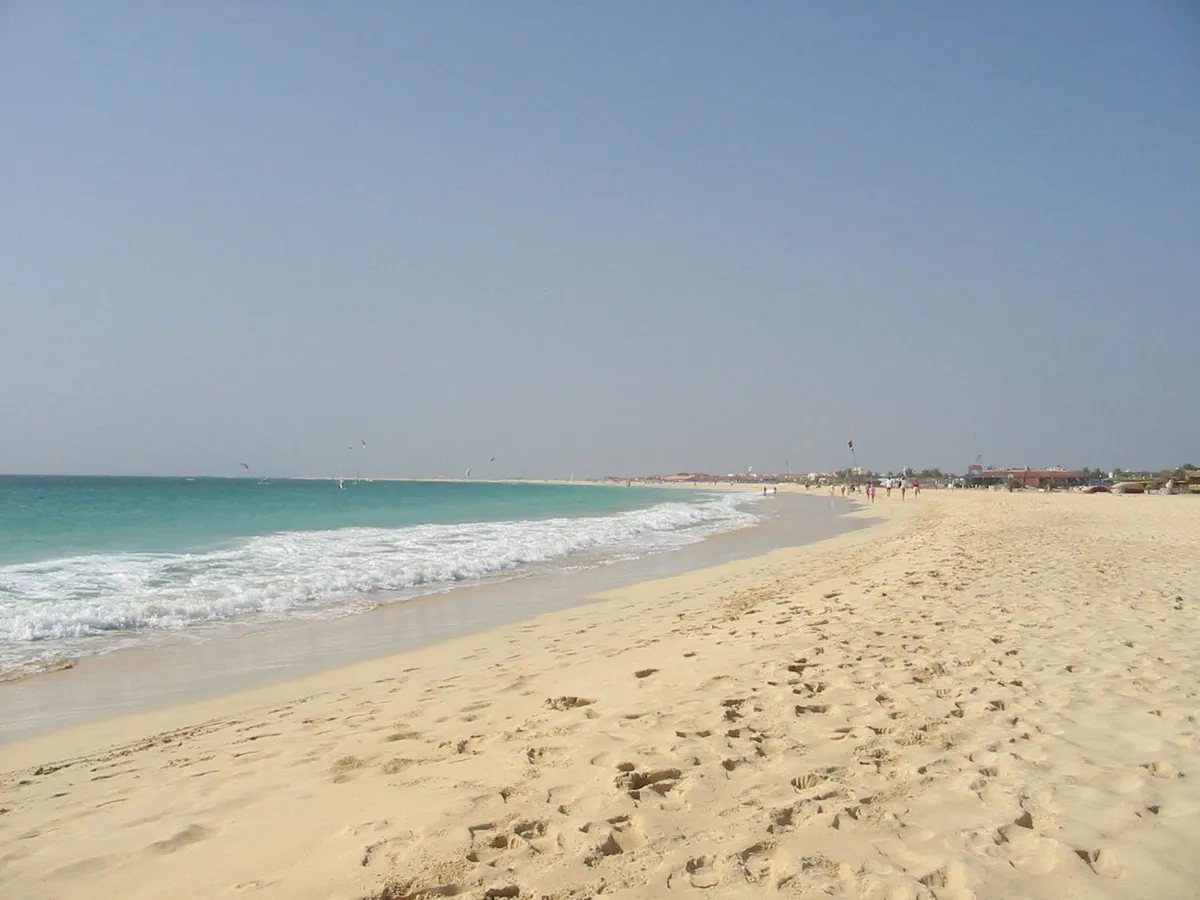
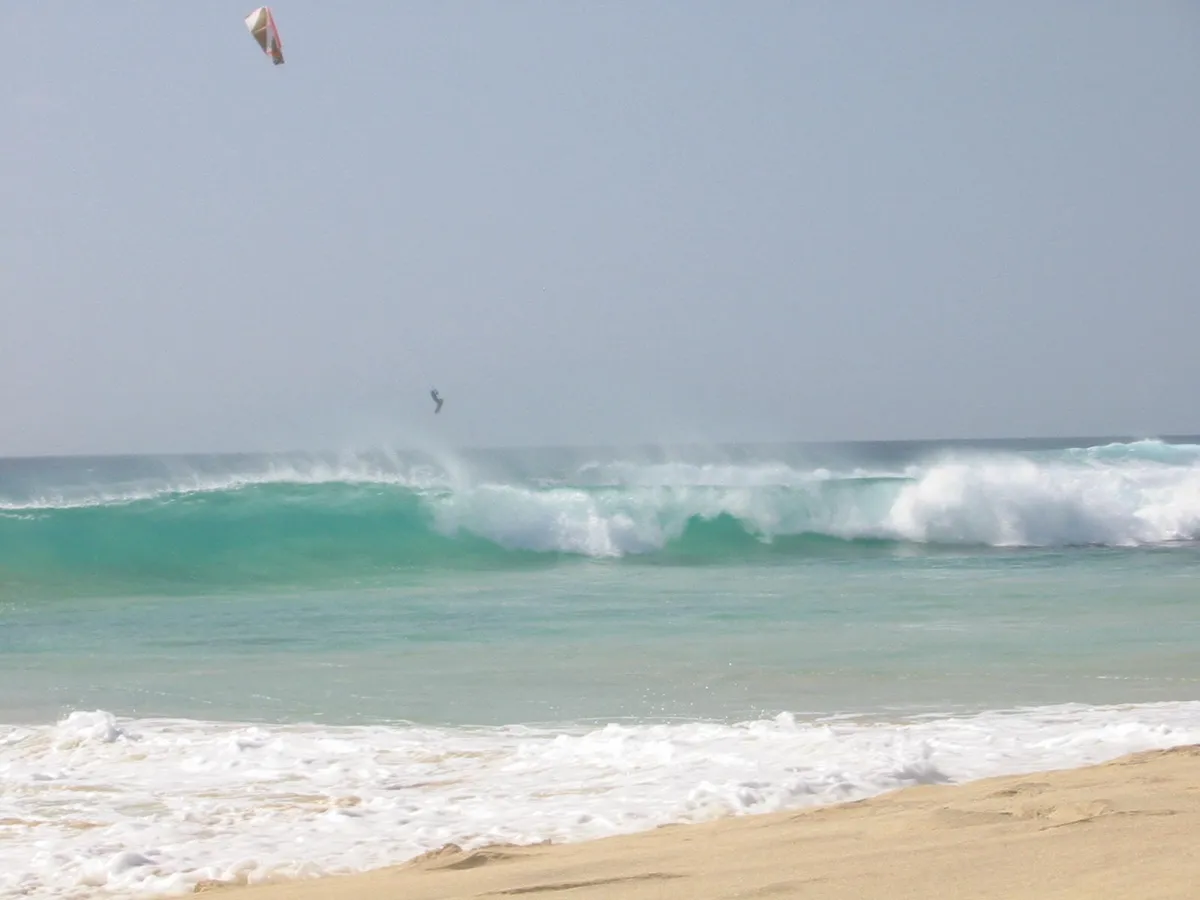
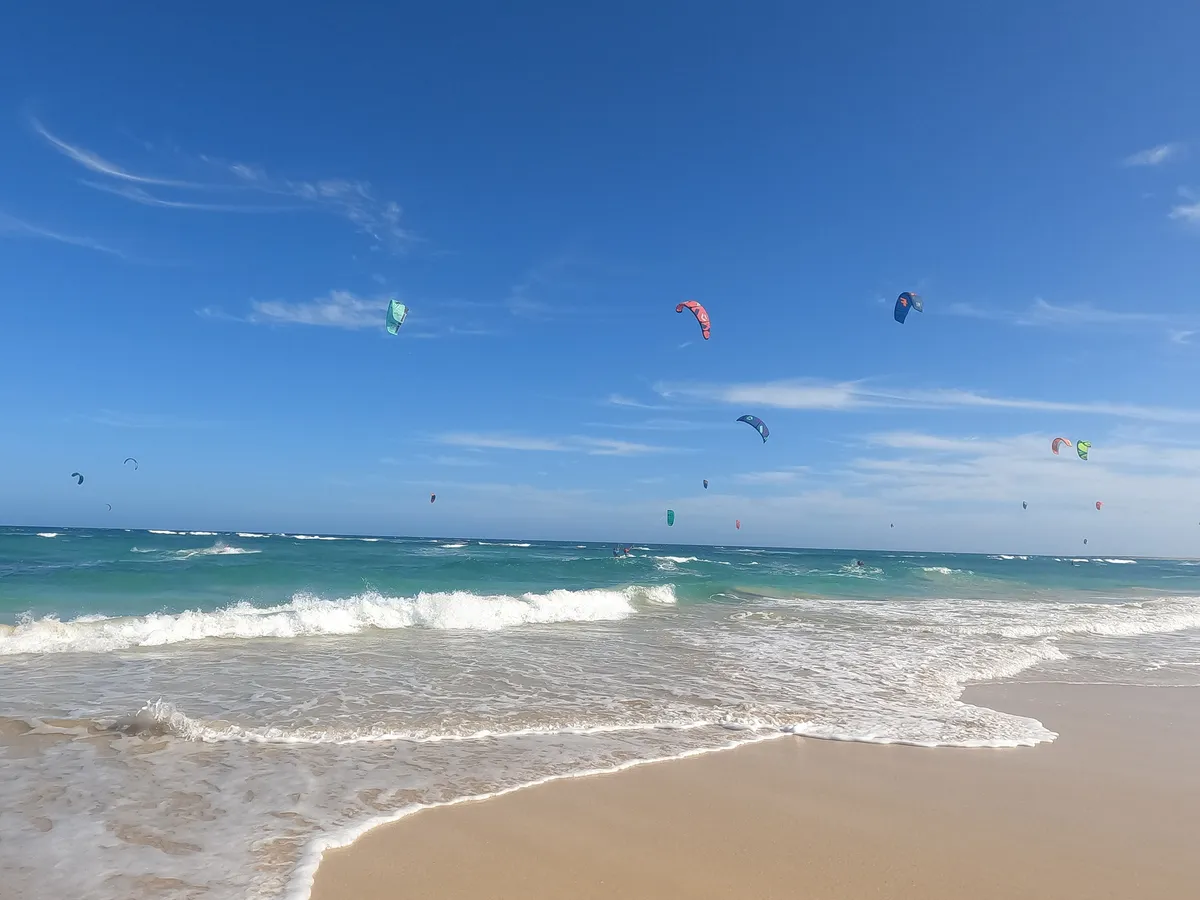
Kite Beach is the name used for the stretch of the east coast just north-east of Santa Maria, part of the long Costa da Fragata shoreline. It faces straight into the north-east trade wind, which is exactly why kitesurfers come here: on most days in the windy season the sky is full of kites, and it was named as a possible second venue for the 2026 GKA Kite-Surf World Cup alongside Ponta Preta.
The beach is long, open and sandy, with dunes and flat desert behind it and very little built on the shore apart from watersports facilities. Costa da Fragata is a nature reserve that takes in the broad sandy beach, the dune corridor and the sea in front, and it is a loggerhead turtle nesting beach: Project Biodiversity recorded it as the island's main nesting beach in 2020. That matters if you come between June and October: keep off marked nests, stay off the dunes, and avoid driving or riding on the sand.
Swimming at Kite Beach
This is a beach for wind, not for a swim. The east coast takes the wind and chop head-on, and the UK Foreign Office warns that tides and currents around the islands are very strong and that waves can be unpredictable and have a strong undertow. Lifeguard coverage here has not been confirmed. Kite schools watch their own students, which is not the same as a lifeguard for bathers. For town beach services, see Praia de Santa Maria.
Getting there and what to bring
- Reached by sandy tracks from the edge of Santa Maria; many people walk or take a taxi.
- Bring water, a hat and strong sun cream; confirm services at the school.
- Wind-blown sand can sting on strong days, so sunglasses help.
- Turtle season is roughly June to October: avoid night beach visits during nesting season and keep lights off the beach.
New to the sport? Our kitesurfing guide covers lessons, seasons and what to expect. On calmer days the lemon sharks of Shark Bay are further up the same coast, and our turtle-watching guide explains how to see nesting turtles responsibly.
Photo gallery
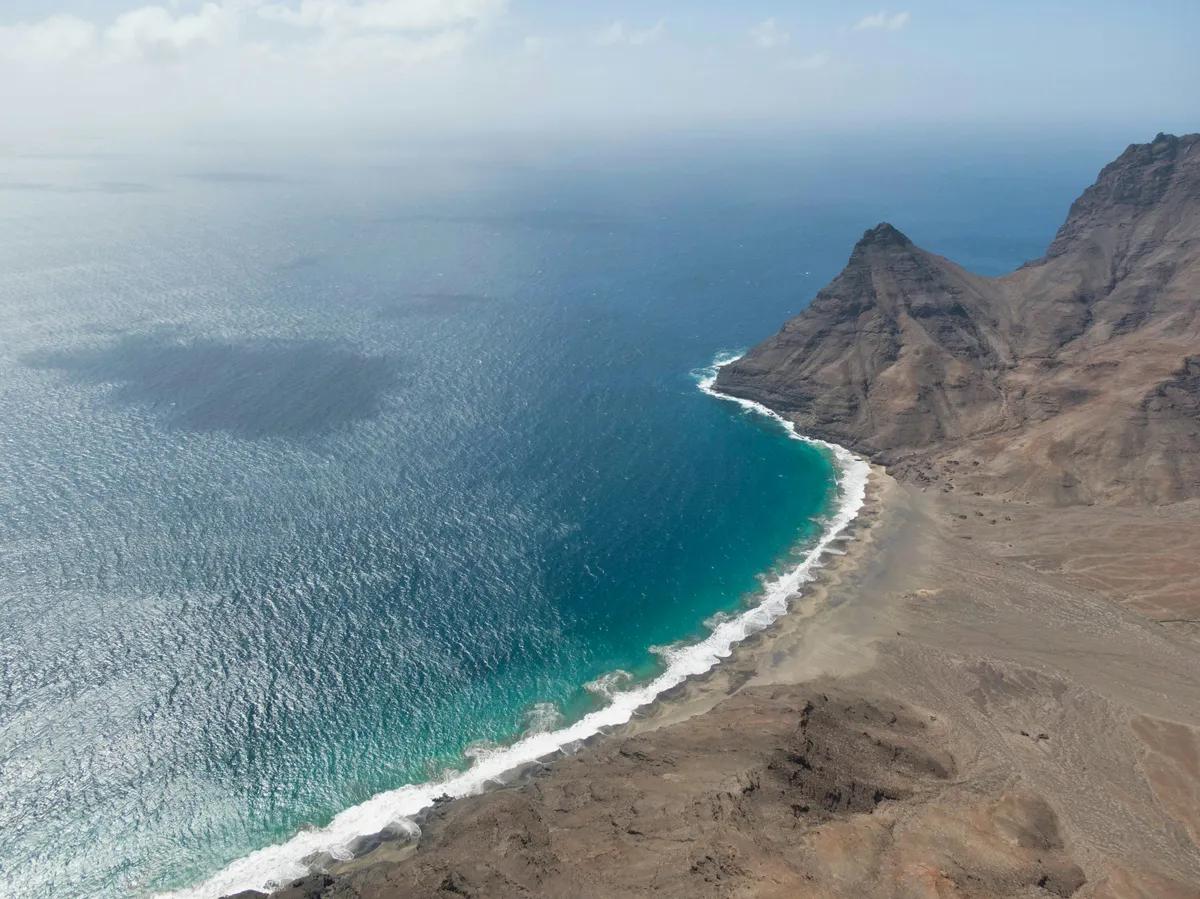
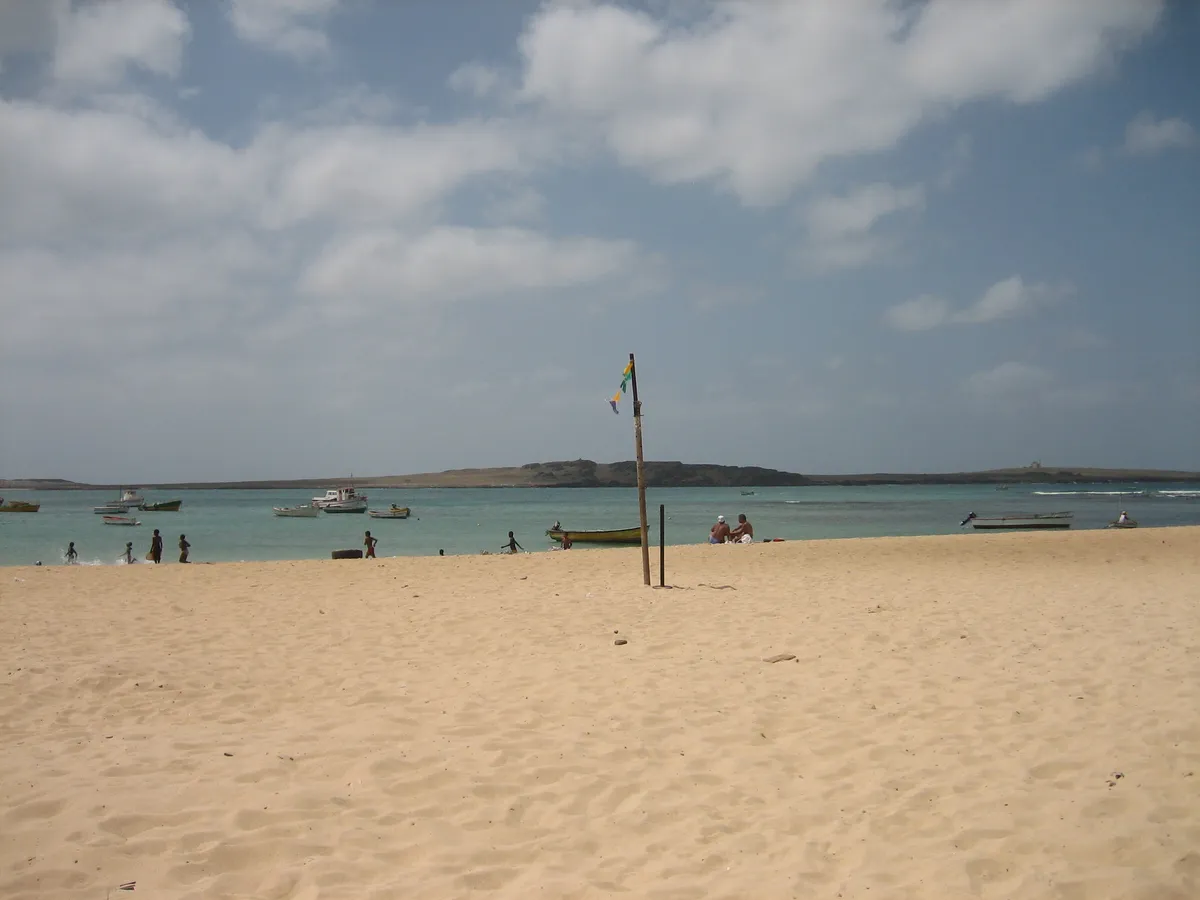
Kite Beach
Photo: Tbo47 via Wikimedia Commons · CC0 (http://creativecommons.org/publicdomain/zero/1.0/deed.en)
Kite Beach questions
Where is Kite Beach on Sal?
+
Kite Beach is on the east coast of Sal, just north-east of Santa Maria, on the stretch of shore known as Costa da Fragata. It is reached by sandy tracks from the edge of town.
Can you swim at Kite Beach?
+
It is not a swimming beach. The onshore wind brings chop, and lifeguard coverage here has not been confirmed. The UK Foreign Office warns that currents around Cape Verde's islands are very strong. At Praia de Santa Maria too, enter the water only where a lifeguard is on duty.
Is Kite Beach good for learning to kitesurf?
+
Kite lessons are offered at Kite Beach, including for beginners. Confirm the teaching location for wing lessons, which the operator places in Santa Maria Bay. Book with a school that provides rescue cover and suitable equipment, and ask about the day's conditions before you start.
Do turtles nest at Kite Beach?
+
Yes. Costa da Fragata is a nature reserve and was Sal's main loggerhead nesting beach in Project Biodiversity's 2020 count. In the nesting season, roughly June to October, keep off nests and dunes and use no lights at night.
Keep reading
Travel Guides
Helpful guides for planning your trip to Santa Maria
 Experiences
Things to Do in Cape Verde: The Best Experiences by Island
From kitesurfing on Sal and turtles on Boa Vista to Cidade Velha on Santiago, morna in Mindelo, Santo Antão trails and the climb up Pico do Fogo: what to do and which island it is on.
 Planning
Sal or Boa Vista? Which Cape Verde Island to Choose
Sal suits walkers, kitesurfers and people who want a lively town; Boa Vista suits all-inclusive stays, empty beaches and whale season. Here is how they compare point by point.
More to Explore in Santa Maria
Discover beaches, attractions, activities, and more in the same area
Nearby beaches
More shoreline to explore near Kite Beach